Market Drivers: Understanding the Surge in Smart Lock Adoption
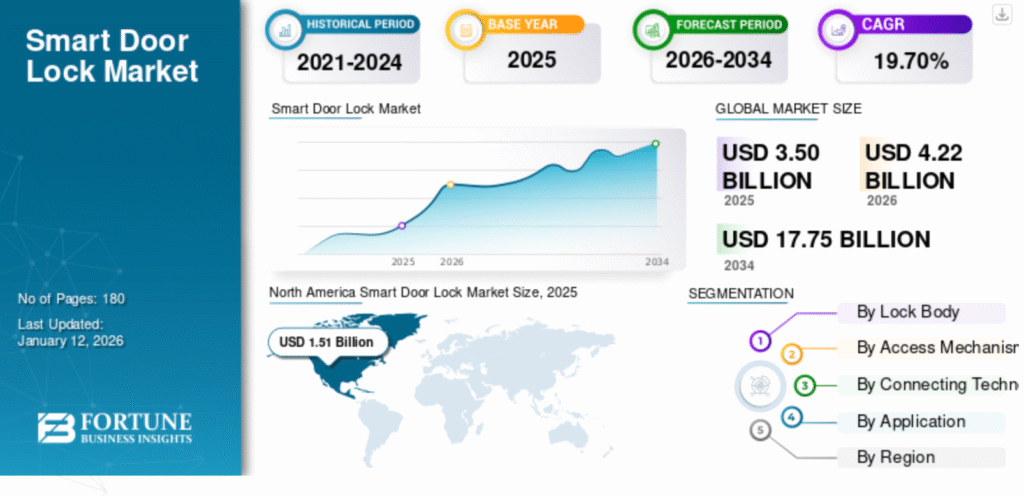
The expansion of the smart lock market opportunity in Southeast Asia is underpinned by powerful socio-economic shifts. Rapid urbanization is concentrating populations in modern housing, while a burgeoning middle class with higher disposable income prioritizes convenience and security. The boom in tourism and hospitality, alongside the proliferation of smart home ecosystems, has accelerated the demand for advanced access control solutions. Notably, the Asia-Pacific electronic smart lock market is forecast to grow at a robust CAGR of 21.0% through 2031, with countries like Vietnam leading the charge, showcasing the region’s immense potential.
Essential Smart Lock Features for the Southeast Asian Consumer
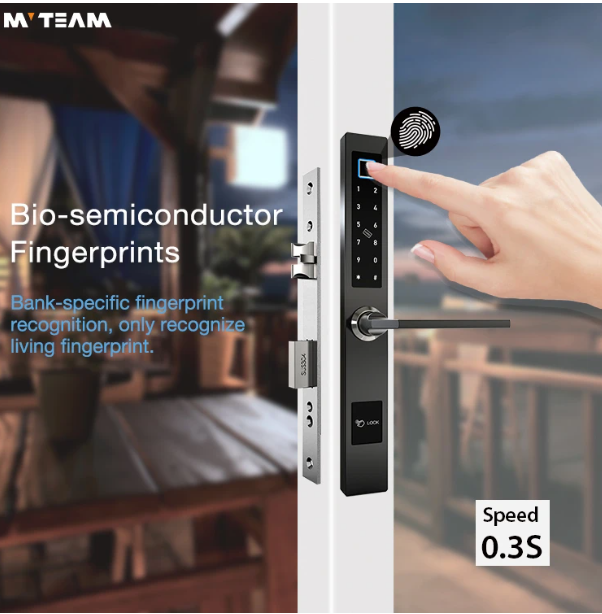
For success in this competitive landscape, smart locks must align with specific regional needs. Multi-mode access—integrating fingerprint scanning, PIN codes, RFID, and app control—is a top priority for diverse household use. High-speed biometrics that unlock in under a second are critical for seamless daily use. Given the tropical climate, weather-resistant builds designed to withstand high humidity and heat are non-negotiable for long-term reliability. Furthermore, robust Wi-Fi connectivity for remote monitoring and user management, combined with an extended battery life and reliable emergency power backup, ensures user confidence and prevents lockouts.
Strategic Insights for Capturing the Smart Lock Market
To effectively penetrate this market, a tailored approach is essential. Marketing strategies should focus on education, addressing consumer concerns about security and reliability. Highlighting seamless integration with popular platforms like Google Home or Apple HomeKit can be a decisive factor for tech-savvy buyers. Featuring products from regionally recognized brands known for climate adaptation—such as Luxus Digital or Keyson International—can build immediate trust. Additionally, providing comprehensive support, including detailed installation guides and navigating local compliance certifications (IMDA, SNI, NBTC), is crucial for overcoming technical barriers and ensuring market access.
Conclusion
The Southeast Asian smart lock market is not just growing; it is transforming how consumers interact with their homes. The convergence of urbanization, digital adoption, and a focus on enhanced security has created a fertile ground for innovation and sales. For businesses, success hinges on more than just offering a product; it requires providing a solution that combines multi-access convenience, biometric speed, tropical durability, and smart connectivity. By understanding these local nuances and strategically positioning your offerings, you can unlock the door to sustained growth in this dynamic and lucrative market.