
Description
Explore the Saudi Arabia smart lock market in 2026, including smart home trends, consumer preferences, popular smart lock features, and business opportunities for manufacturers, distributors, and project integrators.
Introduction
Saudi Arabia is emerging as one of the most dynamic smart lock markets in the Middle East. The Kingdom’s massive urban development pipeline—driven by Vision 2030—along with rapid growth in premium residential, hospitality, and commercial construction, is creating substantial demand for connected access control solutions. Giga-projects like King Salman Park, Diriyah Gate, and NEOM, alongside national housing programs, are reshaping the built environment and opening doors for smart lock products.
For smart lock manufacturers, distributors, importers, and system integrators, Saudi Arabia offers opportunities across residential security, hospitality, and commercial access control. Understanding local climate conditions, project specifications, and customer expectations is essential for building a successful market strategy.
Why Is the Saudi Arabia Smart Lock Market Growing?
Vision 2030 and Giga-Project Construction
Saudi Arabia’s construction market is being transformed by Vision 2030 initiatives. The residential segment is forecast to grow at 6.55% CAGR through 2031, supported by the Sakani program’s target of 2 million homes and a 70% homeownership goal . Major developments like King Salman Park—with its 3,700 residential units and 300 hotel rooms—and Diriyah Gate’s Waldorf Astoria superblock are specifying modern building systems from the ground up . For smart lock suppliers, these projects represent opportunities to be specified during construction rather than retrofitted later.
Smart Home Market Expansion
Saudi Arabia’s smart home market is projected to grow from approximately $2 billion in 2024 to $8.7 billion by 2030, with a CAGR exceeding 27% . LG Electronics recently opened its first B2B AI home experience center in Riyadh specifically targeting local construction firms and real estate developers, showcasing integrated solutions that combine appliances, HVAC, energy management, and security—including partnerships with ASSA ABLOY for access control . This signals growing B2B demand for connected security products embedded in new developments.
Hospitality and Rental Sector Growth
Saudi Arabia’s hospitality sector is expanding rapidly to support tourism ambitions. Domestic trips reached 28.9 million in Q1 2026 alone . Hotels, serviced apartments, and short-term rentals require efficient guest access management—temporary passwords, electronic keys, and remote authorization can reduce front-desk workload and improve guest experience. The Waldorf Astoria Diriyah project, with its 200 hotel keys and 47 branded residences, illustrates the premium segment’s potential .
Essential Features Saudi Customers May Expect
Fingerprint and Multiple Unlocking Methods
Convenience, security, and flexibility are key considerations. Popular unlocking methods in the Saudi market include:
- Fingerprint recognition
- Password entry
- Smartphone app
- IC card
- Bluetooth
- Mechanical key
- Temporary passcode
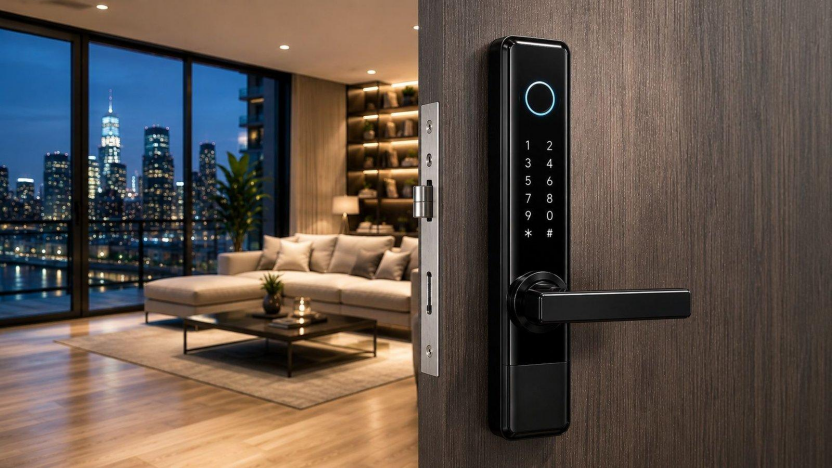
Combining multiple methods allows one lock to serve private villas, apartments, rental units, and small commercial premises. For manufacturers, offering several configurations addresses different budgets and door types.
TUYA and TTLock App Integration
Mobile access management is becoming essential. Platforms like TUYA and TTLock offer functions including:
- User and permission management
- Temporary password generation
- Electronic key sharing
- Access record viewing
- Remote unlocking via compatible gateway
These features are particularly valuable for rental properties, serviced apartments, and hotels. However, buyers should confirm gateway requirements—Bluetooth-only models need a compatible Wi-Fi gateway for remote access, while larger hospitality projects may require integration with property management systems.
Heat and Climate Durability
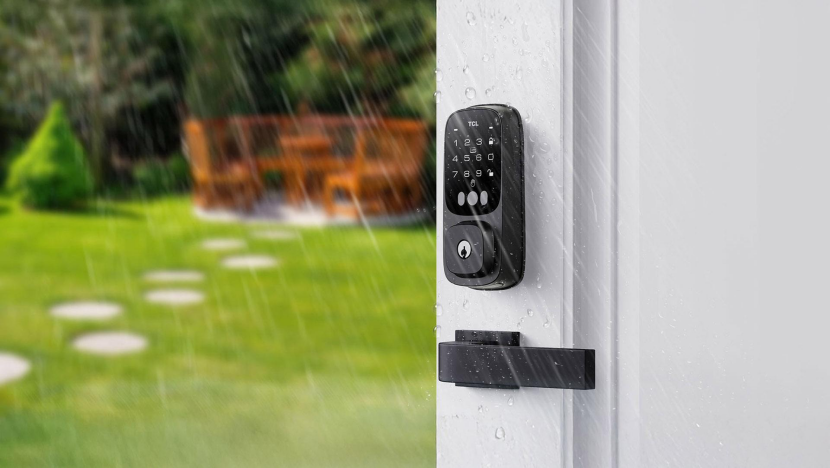
Saudi Arabia’s climate presents unique challenges. Summer temperatures routinely exceed 45°C in Riyadh, Dammam, and Madinah, with extreme heat days increasing by 5.6 to 9.9 days per decade . Outdoor and semi-outdoor installations—particularly entrance doors on villas and exterior hotel doors—require products rated for high-temperature operation. Electronic components, batteries, and fingerprint sensors can degrade under prolonged heat exposure. Buyers should verify operating temperature specifications and material durability, especially for west-facing doors that receive direct afternoon sun.
Saudi Arabia Smart Lock Market Opportunities
The Saudi market offers potential across several sectors:
- Private villas and landed houses
- Residential compounds and apartment developments
- Hotels and resorts
- Serviced apartments and short-term rentals
- Offices and commercial buildings
- Government and institutional projects
- Property management companies
Each sector has different priorities. Homeowners may focus on design, fingerprint recognition, and app convenience. Hotel operators prioritize temporary passwords and centralized management. Giga-project developers and government projects may require compliance with specific building standards and integration with broader building management systems.
Opportunities for Distributors and Project Integrators
Potential partners include smart home distributors, door and hardware suppliers, security companies, system integrators, property developers, hotel solution providers, and building contractors. Local partners can help manufacturers navigate Saudi door specifications, installation practices, and after-sales requirements.
For international suppliers, reliable product quality, Arabic-language support, clear documentation, and stable supply are important for building long-term relationships. The presence of established players like ASSA ABLOY in the market signals both competition and validation of demand .
OEM and ODM Customization Opportunities
OEM and ODM services can help manufacturers serve different segments:
- Custom logos and packaging
- Product colors and finishes (black and copper are common preferences)
- Lock body configurations for local door types
- Multiple unlocking methods
- App and software configurations
- Project-specific access control solutions
For Saudi distributors and project partners, customization supports local branding and the requirements of specific residential or hospitality developments.
Conclusion
The Saudi Arabia smart lock market offers substantial opportunities across residential, hospitality, and commercial applications. Vision 2030 construction, smart home adoption, and hospitality expansion are creating demand for connected access solutions. Fingerprint recognition, multiple unlocking methods, app management, and temporary passwords address diverse customer needs. Heat durability and installation suitability are critical considerations in Saudi Arabia’s extreme climate.
For smart lock manufacturers seeking Middle East expansion, Saudi Arabia is a priority market to explore through local distributors, security integrators, property developers, and hospitality partners. Companies that combine reliable products, climate-appropriate specifications, flexible OEM/ODM services, and strong technical support can build a solid foundation for long-term cooperation in the Kingdom.