The Shift from Feature-Driven to Integration-Driven Smart Locks
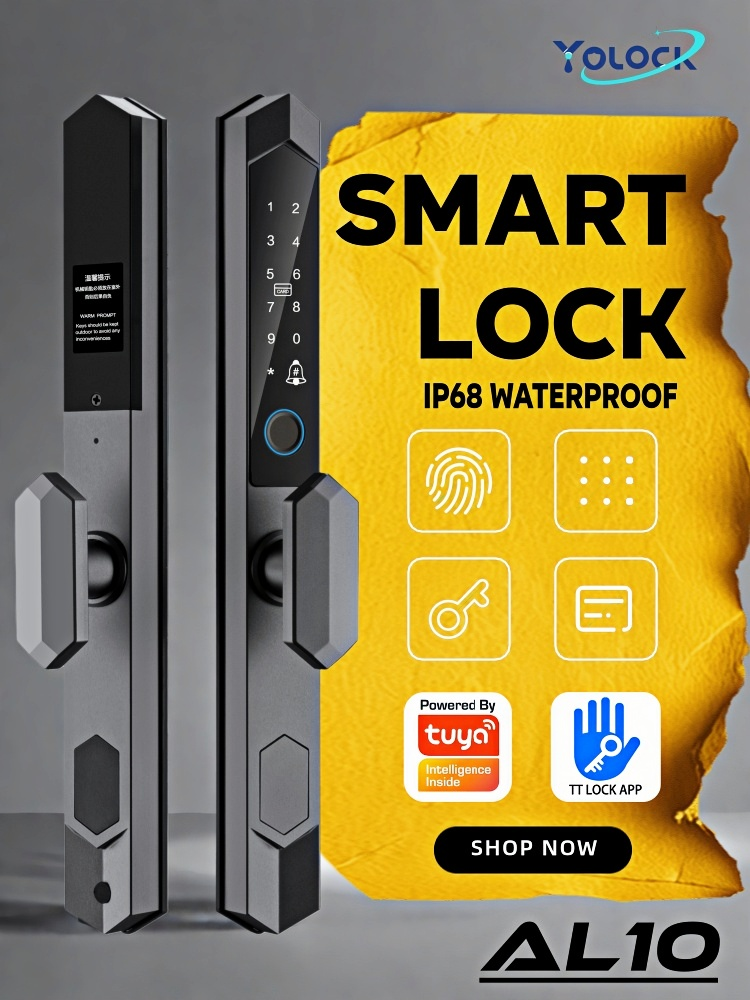
In the early development of the smart lock industry, competition centered on hardware features. Fingerprint recognition speed, 3D facial recognition, anti-peeping passwords, anti-pry alarms, and remote unlocking functions were the main selling points. Consumers compared products based on technical specifications and the number of available features.
However, as these technologies have matured, feature differences have narrowed. Today, buyers are looking beyond individual functions. They want to know whether a smart lock can integrate with existing smart home ecosystems, connect with multiple IoT devices, and operate reliably within a larger system.
This transition marks a new stage in the smart lock market. Instead of competing on isolated innovations, brands are competing on integration capability and ecosystem value.
System Integration as the Core Competitiveness of Smart Lock Solutions
As the market matures, system integration has become a key competitive factor for smart lock manufacturers.
Multi-Platform Compatibility
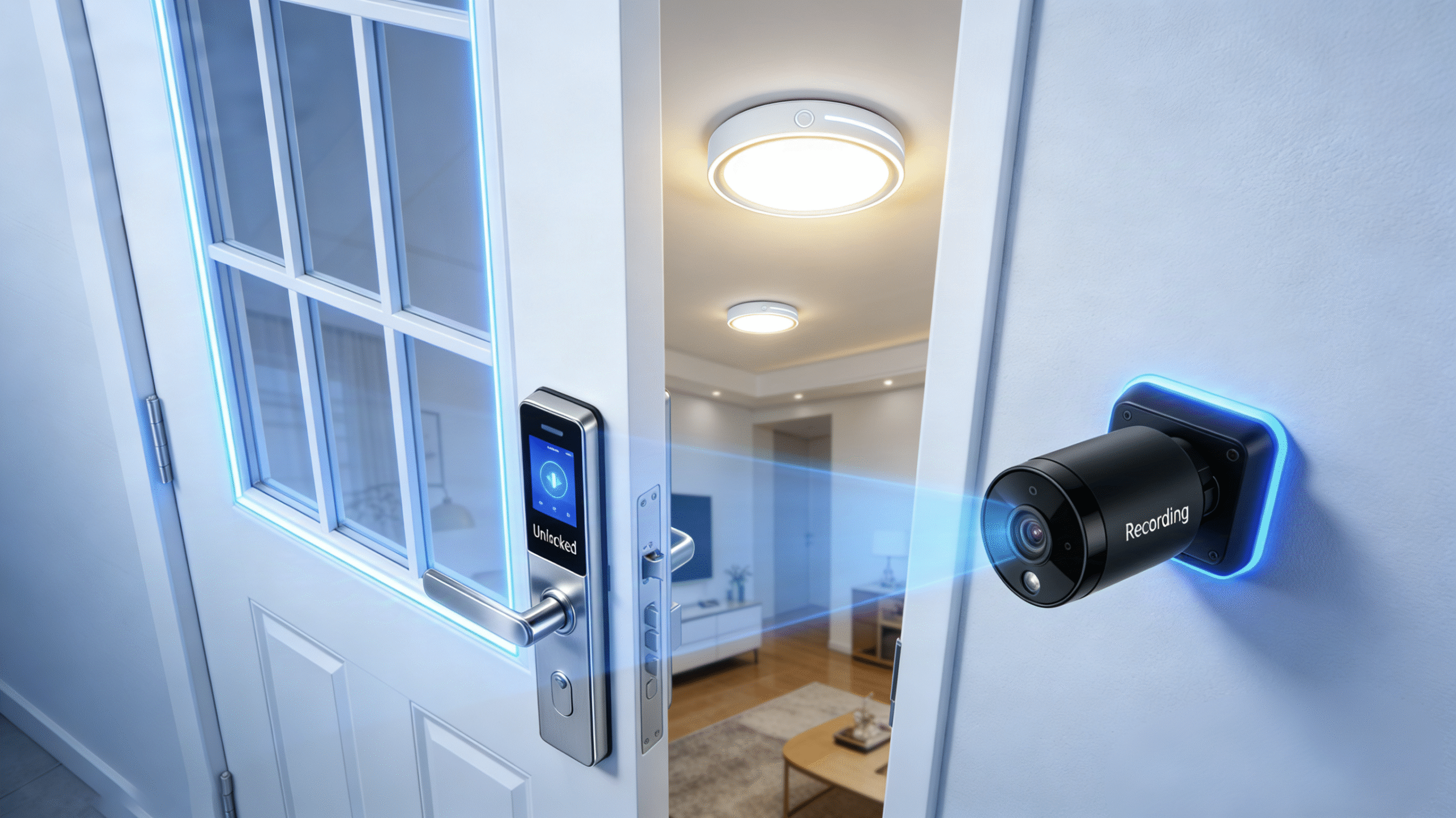
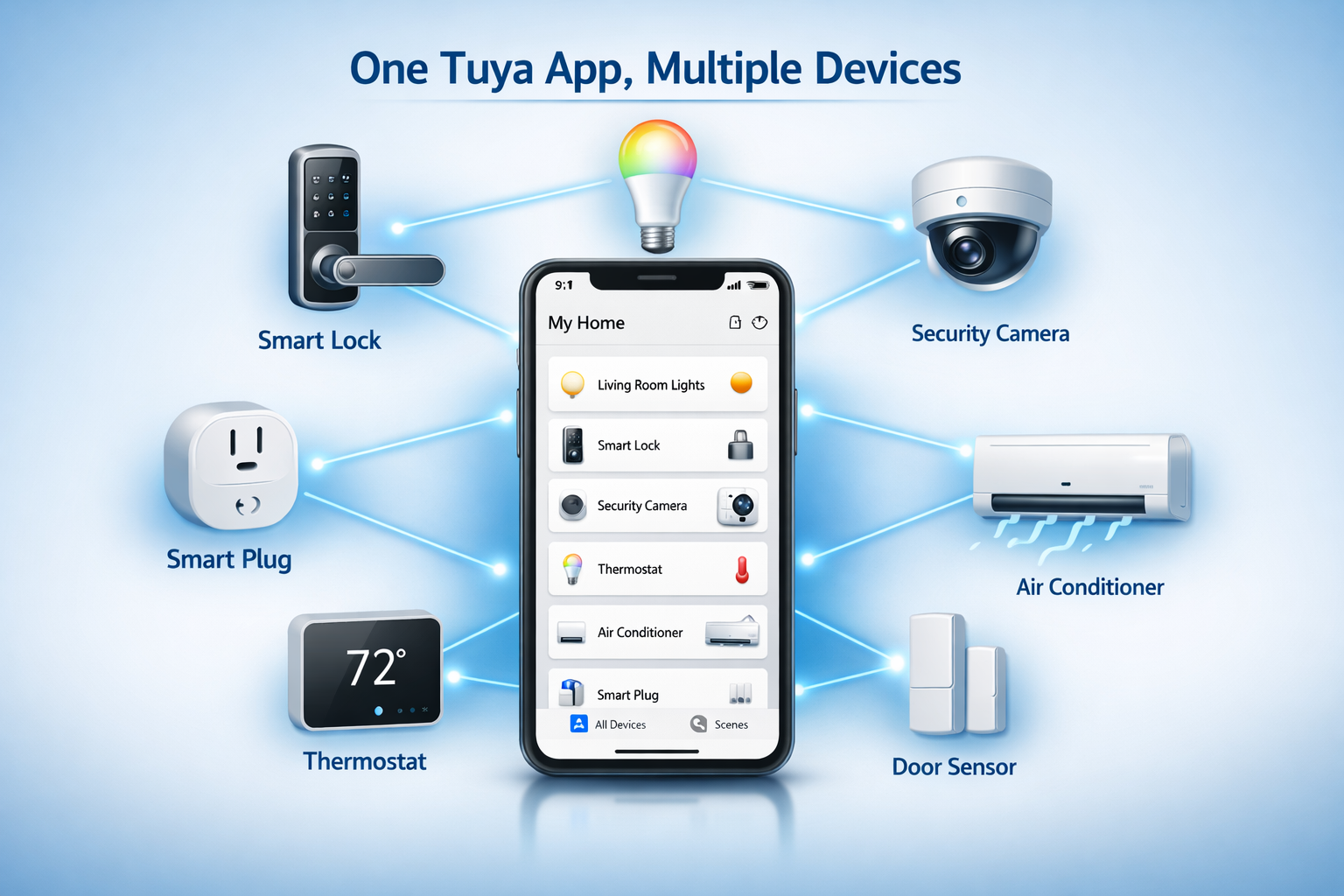
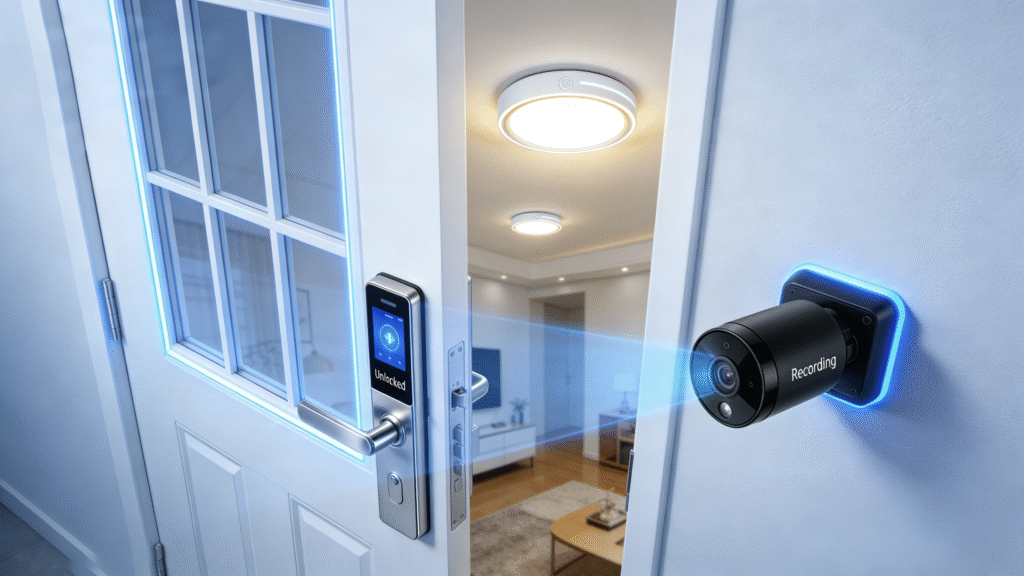
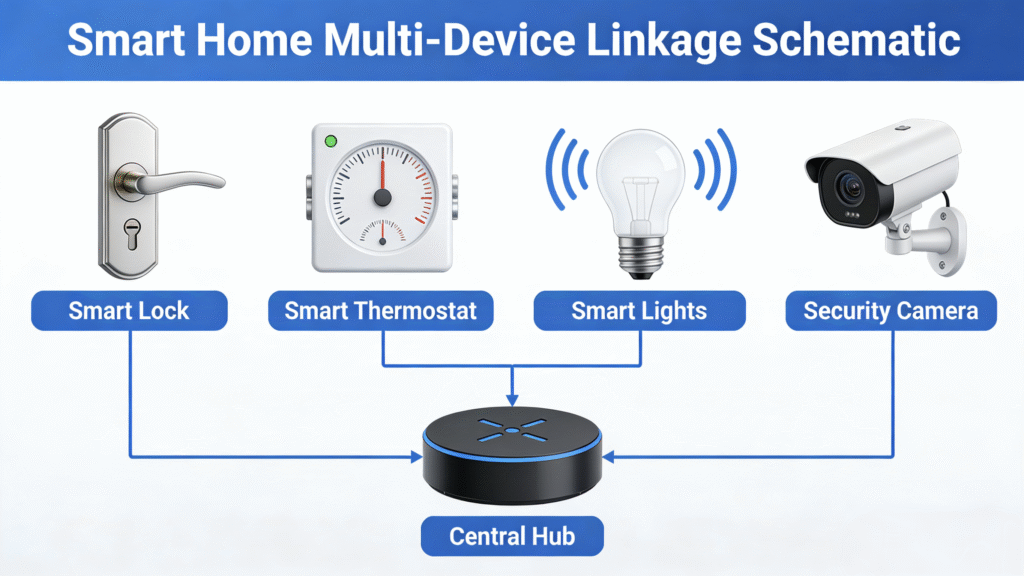
Modern smart locks must support integration with major smart home platforms and IoT ecosystems. Seamless communication with door sensors, cameras, lighting systems, and HVAC units enables automated scenes such as lights turning on when the door unlocks or security systems activating when residents leave.
Cloud-Based Smart Lock Management
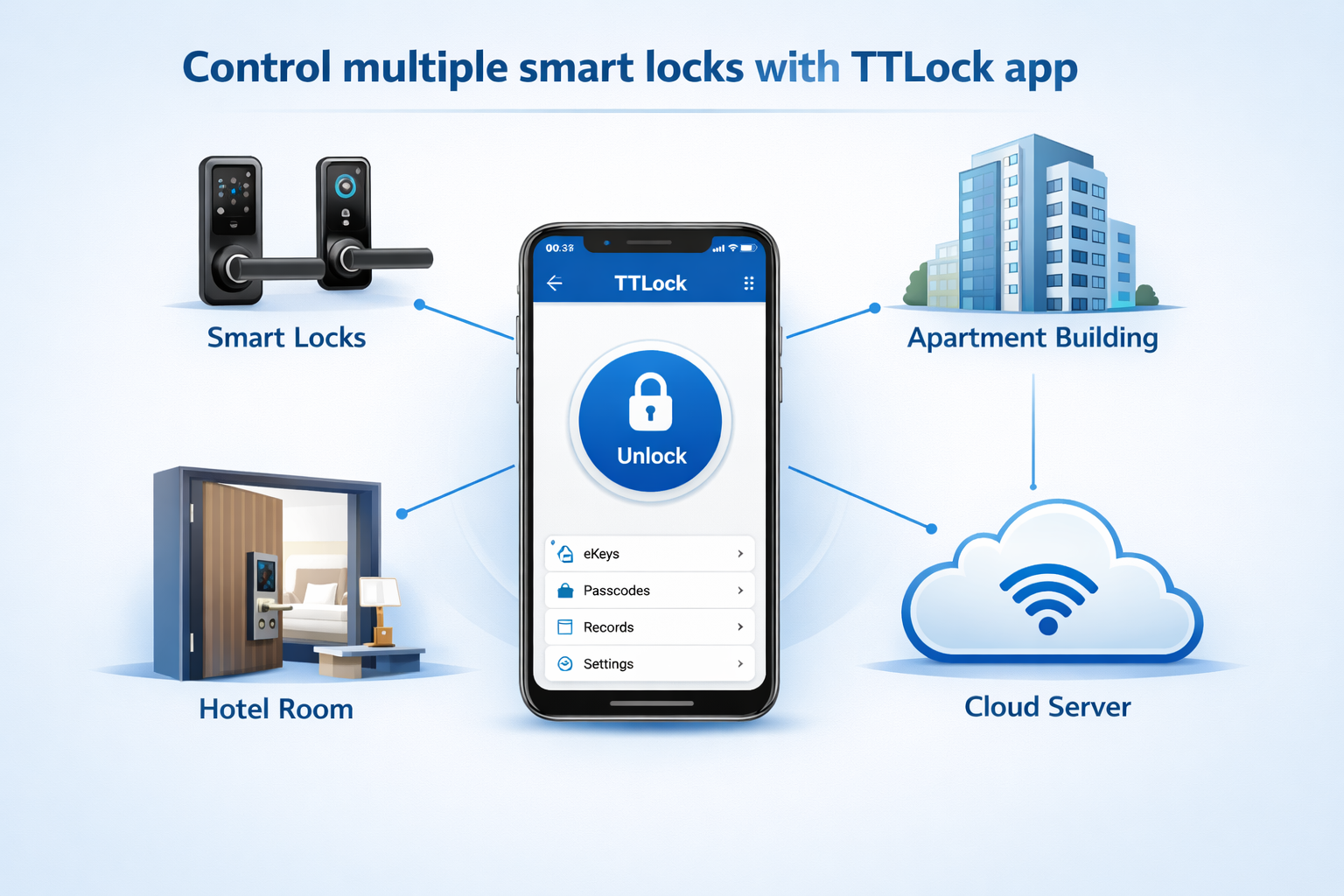
For hotels, rental apartments, offices, and property management companies, smart locks are more than access devices—they are operational tools. Cloud-based platforms allow administrators to issue digital keys remotely, manage multiple properties in batches, monitor access records, and adjust permissions in real time. This level of centralized control improves efficiency and reduces operational costs.
Stable Supply and Long-Term Support
System integration also depends on supply chain reliability and ongoing technical support. Consistent product quality, firmware upgrades, and compatibility maintenance are essential to ensure that smart lock systems remain stable over time. For B2B buyers especially, long-term reliability is as important as advanced features.
Smart Locks as the Entry Point of Smart Home Ecosystems
Within a connected environment, smart locks serve as the primary security and identity gateway. Unlike other smart devices, they combine high usage frequency with critical safety responsibility.
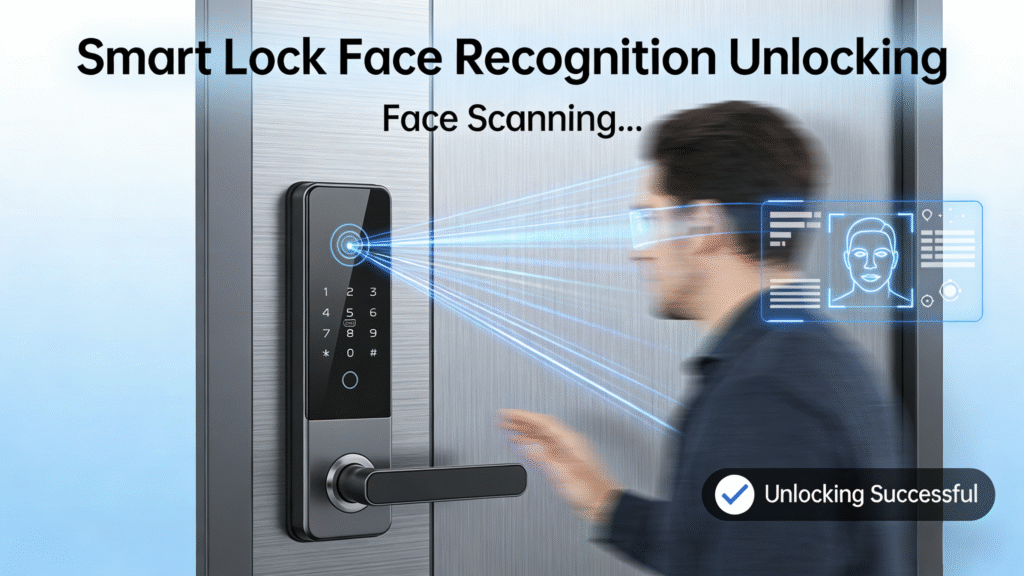
When a user unlocks the door using fingerprint or facial recognition, the system can identify the person and trigger personalized automation scenarios. For example:
Lights and air conditioning turn on when the homeowner arrives
Temporary access is granted to service personnel
One-time digital passwords are generated for visitors
This identity-based automation makes smart locks the trigger hub of the entire smart home system. As AI and edge computing technologies continue to develop, smart locks will handle more secure authentication and localized data processing, further strengthening their central role.
Future Trends in the Smart Lock Market
Looking ahead, several trends will shape the future of smart lock development:
Solution-Oriented Offerings: Manufacturers are moving from single-product sales to integrated solutions that combine smart locks, cloud platforms, and supporting devices.
Enhanced Data Security: Encryption technologies and local data protection are becoming critical as user data volumes increase.
Expansion in Overseas Markets: Growing demand in Southeast Asia and Europe is driving the adoption of integrated smart lock systems.
Growth in B2B Projects: Hotels, co-living spaces, and commercial buildings are accelerating digital access upgrades, fueling large-scale deployment of smart lock systems.
Conclusion
The smart lock market is transitioning from feature competition to system integration. Success is no longer defined solely by biometric speed or unlocking methods, but by compatibility, ecosystem connectivity, cloud management, and stable supply capability. As the core entry point of smart homes and commercial access systems, smart locks are becoming foundational infrastructure in connected living environments. For manufacturers and project buyers alike, investing in integration capability and long-term service support will be essential to staying competitive in the evolving smart lock industry.