The Limitations of Traditional Locks: Why Upgrading is Essential
The front door lock is the most critical physical barrier in your home security. Yet, traditional mechanical locks come with inherent flaws: keys can be lost, duplicated, or forgotten, leading to security risks and lockouts. You have no visibility into who entered your home or when. Smart locks address these core issues directly. By integrating advanced encryption and IoT technology, they transform passive security into active, manageable protection, significantly elevating both safety and convenience.
Fortress at Your Door: Core Security Technologies in Smart Locks
Security is the foundational principle of a well-designed smart lock. Modern models build robust defense layers through multi-factor authentication:
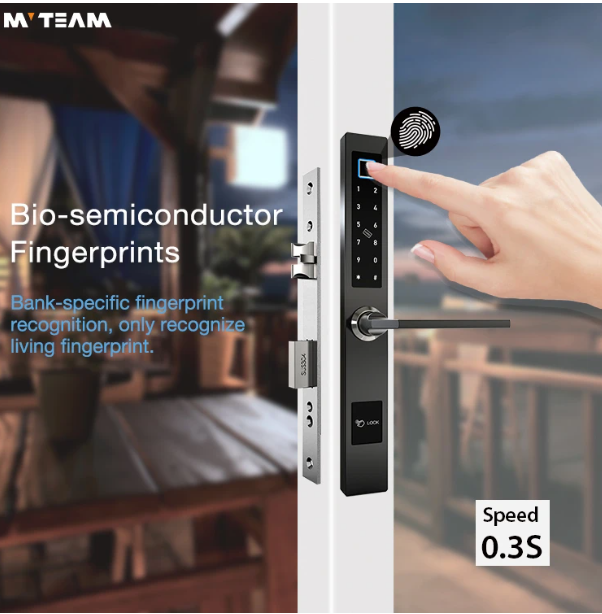
- Biometric Authentication: High-end smart locks feature semiconductor fingerprint sensors that read live skin layers to prevent spoofing with fake prints. Advanced models with 3D facial recognition (like structured light) perform liveness detection to thwart attempts using photos or videos.
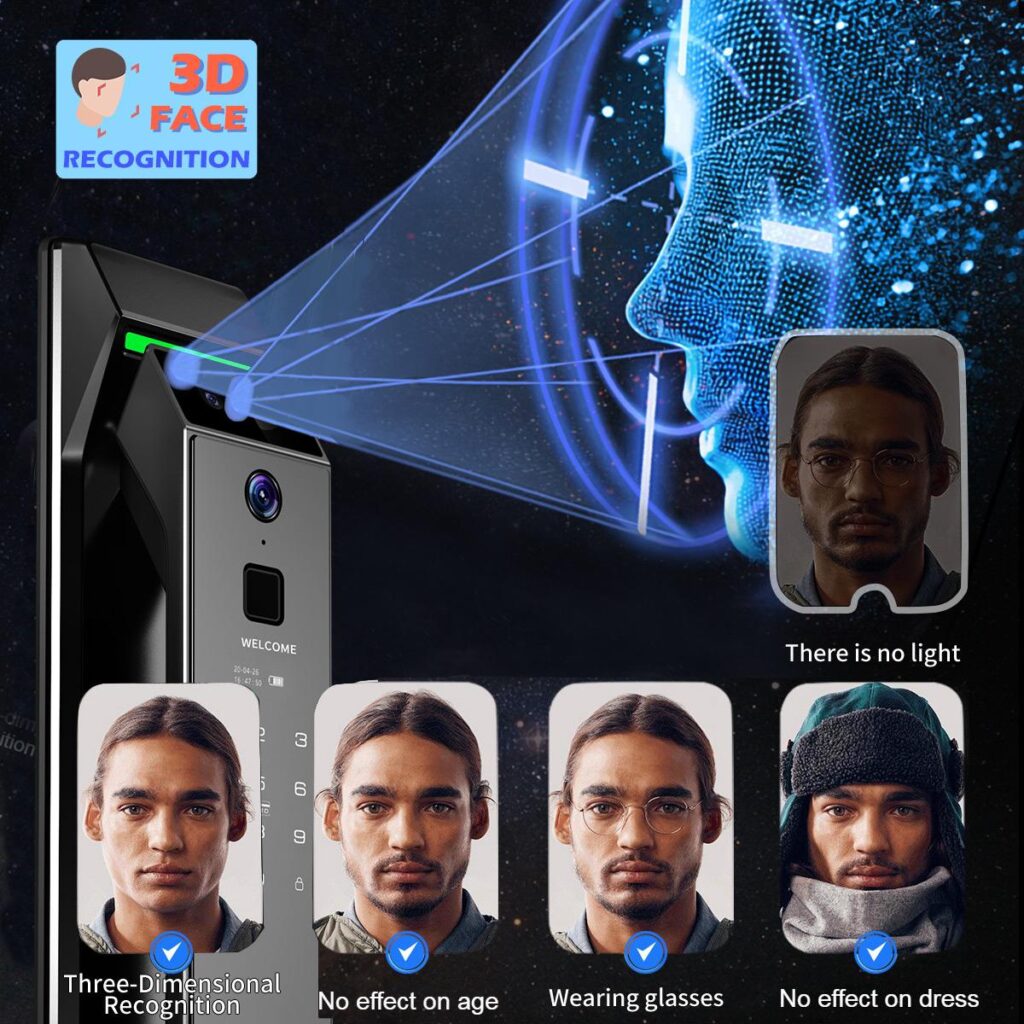
- Encryption & Tamper Resistance: The physical lock core should meet the highest grade (e.g., ANSI Grade 1 or equivalent). Communication between the lock, keypad, and your phone uses bank-level encryption. The lock body itself is built with anti-prying, anti-drill, and anti-impact reinforcement.
- Virtual Passcodes & Intrusion Alerts: Generate unique, time-sensitive guest PINs for visitors. Smart locks also offer features like anti-tamper alarms, wrong attempt lockouts, and even duress codes (inputting a specific PIN silently alerts pre-set contacts).
Keyless Convenience: The Evolution from Fumbling to Seamless Entry
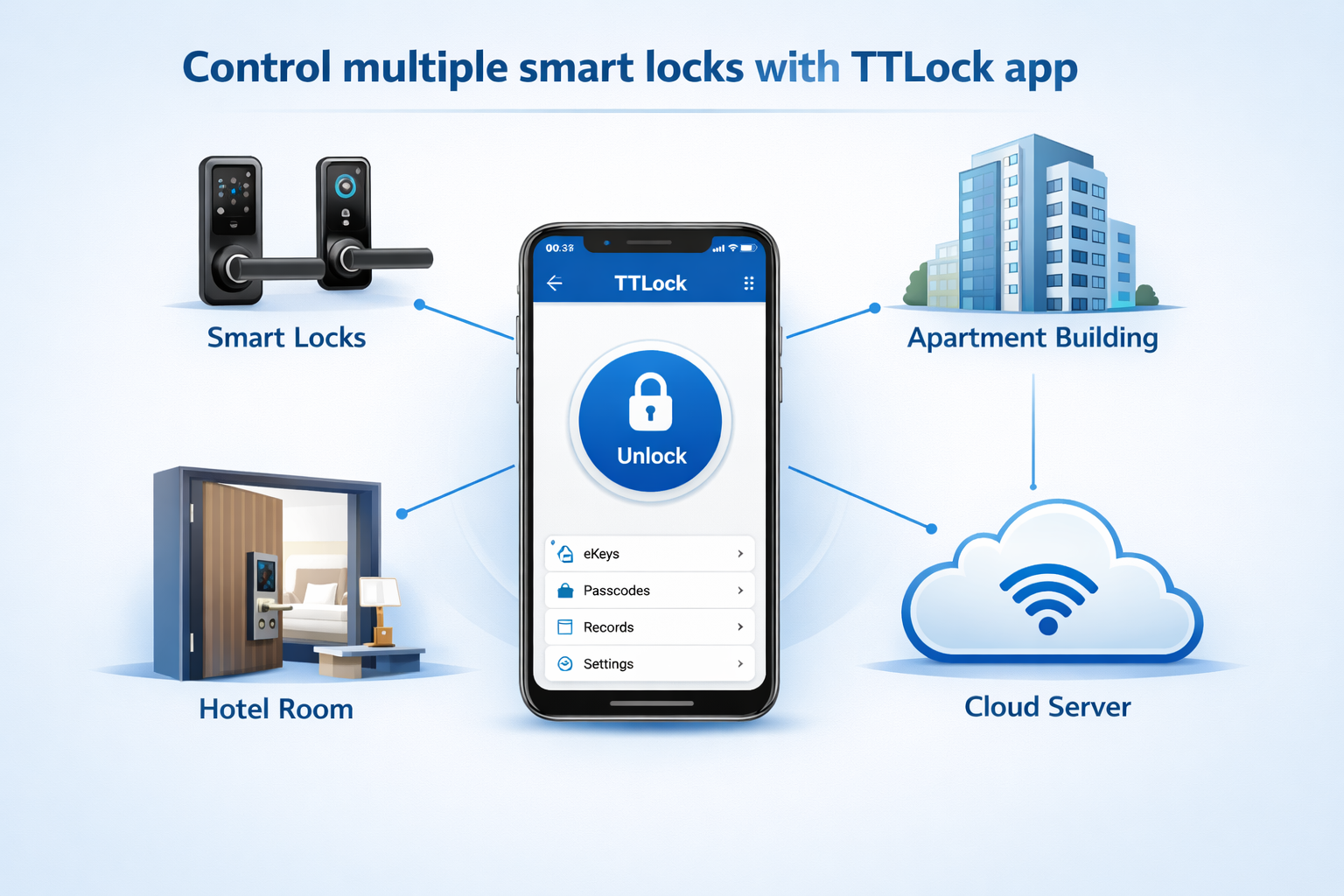
The convenience offered by smart locks is transformative. Eliminate the burden of keys by using your fingerprint, face, a personalized PIN, your smartphone via Bluetooth, or an encrypted key card. For guests, housekeepers, or service personnel, you can generate temporary access codes remotely via an app, granting and revoking access with total control. Never worry about a family member being locked out again, and check your door’s status—locked or unlocked—from anywhere.
The Connected Home Hub: Integrating Your Smart Lock into an Ecosystem
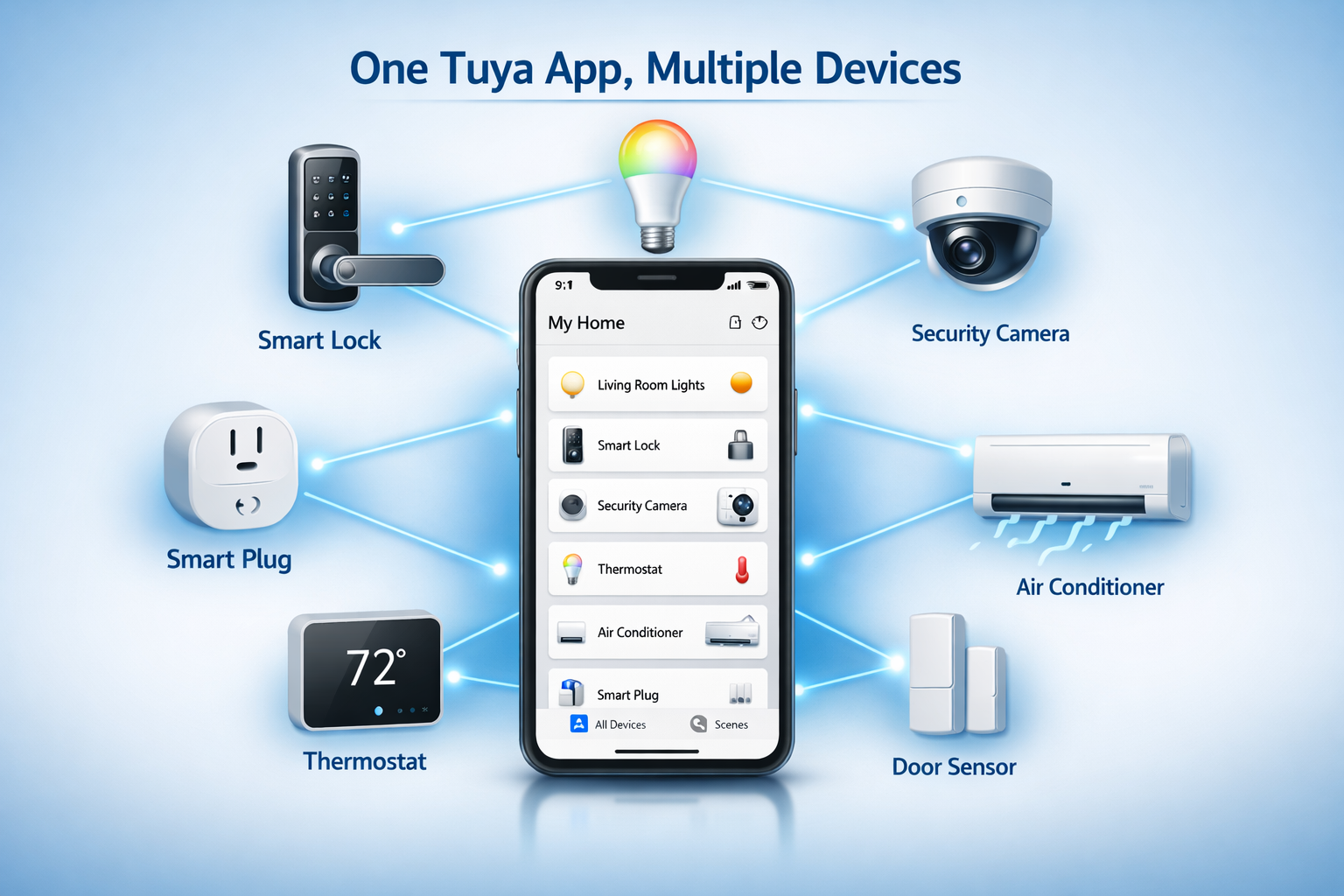
A true smart lock’s power is magnified when connected. It becomes a vital component of your broader smart home automation:
- Voice Control: Lock or check the status of your door hands-free with voice assistants like Amazon Alexa or Google Assistant.
- Automated Routines: Create “scenes” or routines. For example, a “Good Night” command can lock the door, turn off all lights, and adjust the thermostat.
- Real-Time Notifications & Activity Logs: Receive instant alerts on your phone when the door is locked, unlocked, or if someone attempts tampering. A digital log keeps a record of all entries and exits, providing complete peace of mind.
Conclusion: Making the Smart Choice for Modern Security
Upgrading to a smart lock is more than just a convenience—it’s a strategic investment in a smarter, safer, and more connected home. It solves the persistent problems of traditional locks while adding layers of proactive security and control that were previously unimaginable. When choosing a smart lock, prioritize models with robust security certifications, reliable encryption, and seamless compatibility with your preferred smart home platform. Step into the future of home access, where security is intelligent, effortless, and always at your fingertips.
Ready to experience keyless living? Explore our selection of premium smart locks designed for security, style, and seamless integration.