
Unlocking Growth: The Definitive Guide to the Smart Lock Market Opportunity in Southeast Asia

Market Drivers: Understanding the Surge in Smart Lock Adoption

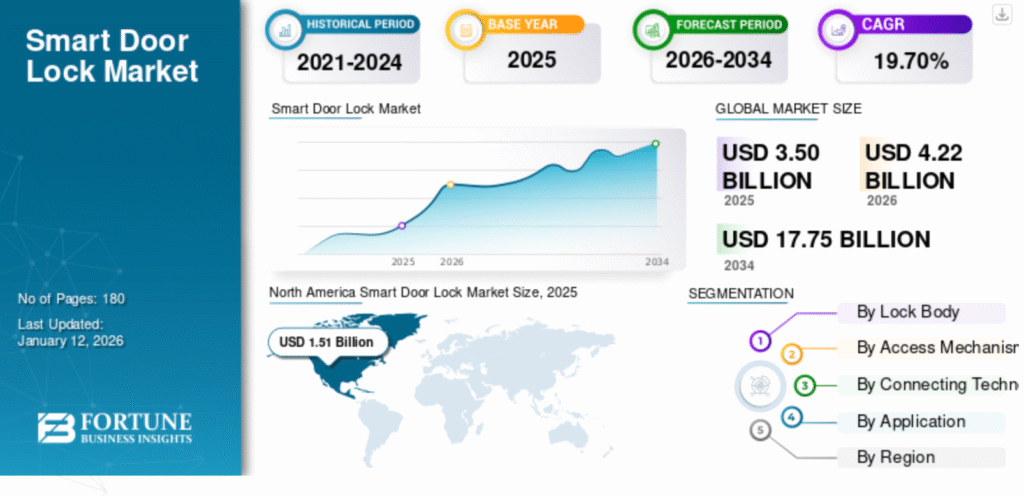
The expansion of the smart lock market opportunity in Southeast Asia is underpinned by powerful socio-economic shifts. Rapid urbanization is concentrating populations in modern housing, while a burgeoning middle class with higher disposable income prioritizes convenience and security. The boom in tourism and hospitality, alongside the proliferation of smart home ecosystems, has accelerated the demand for advanced access control solutions. Notably, the Asia-Pacific electronic smart lock market is forecast to grow at a robust CAGR of 21.0% through 2031, with countries like Vietnam leading the charge, showcasing the region’s immense potential.
Essential Smart Lock Features for the Southeast Asian Consumer

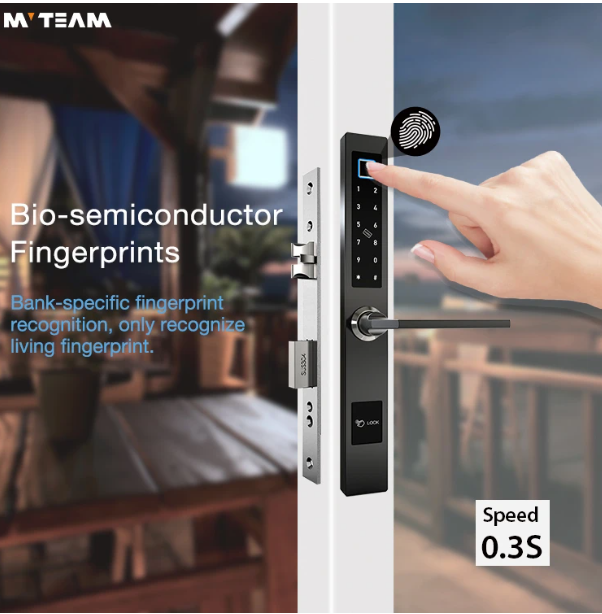
For success in this competitive landscape, smart locks must align with specific regional needs. Multi-mode access—integrating fingerprint scanning, PIN codes, RFID, and app control—is a top priority for diverse household use. High-speed biometrics that unlock in under a second are critical for seamless daily use. Given the tropical climate, weather-resistant builds designed to withstand high humidity and heat are non-negotiable for long-term reliability. Furthermore, robust Wi-Fi connectivity for remote monitoring and user management, combined with an extended battery life and reliable emergency power backup, ensures user confidence and prevents lockouts.

Strategic Insights for Capturing the Smart Lock Market

To effectively penetrate this market, a tailored approach is essential. Marketing strategies should focus on education, addressing consumer concerns about security and reliability. Highlighting seamless integration with popular platforms like Google Home or Apple HomeKit can be a decisive factor for tech-savvy buyers. Featuring products from regionally recognized brands known for climate adaptation—such as Luxus Digital or Keyson International—can build immediate trust. Additionally, providing comprehensive support, including detailed installation guides and navigating local compliance certifications (IMDA, SNI, NBTC), is crucial for overcoming technical barriers and ensuring market access.

Conclusion

The Southeast Asian smart lock market is not just growing; it is transforming how consumers interact with their homes. The convergence of urbanization, digital adoption, and a focus on enhanced security has created a fertile ground for innovation and sales. For businesses, success hinges on more than just offering a product; it requires providing a solution that combines multi-access convenience, biometric speed, tropical durability, and smart connectivity. By understanding these local nuances and strategically positioning your offerings, you can unlock the door to sustained growth in this dynamic and lucrative market.
The Latest Article

Blog

TTLock Smart Lock Explained: 7 Reasons to Choose a Smart Door Lock with TTLock App Control

Discover why a TTLock smart lock is a powerful solution for modern access control. From Airbnb self‑check‑in to hotel and apartment management, learn how TTLock compatible smart locks enable remote control, multi‑user access, and streamlined security.

Are you still juggling metal keys for tenants, guests, or staff—and constantly worrying about who has a copy? In the era of connected security, the TTLock smart lock system offers a far more streamlined way to manage access without the headaches of traditional keys.

Whether you are a homeowner, an Airbnb host, or a hotel or apartment operator, choosing a smart lock with TTLock app support can transform how you secure and manage your property. This guide breaks down how TTLock works, the main benefits, and the key features to look for when selecting TTLock compatible smart locks.

Blog

The New B2B Standard: Why Sustainable Supply Matters More Than Features in Smart Locks

In the B2B smart lock market, purchasing decisions are shifting from product features to long-term supply reliability. Unlike consumers, commercial buyers—hotels, property developers, and facility operators—prioritize predictability over short-term convenience. A discontinued model or inconsistent batch can delay projects and inflate costs. This article explores why sustainable supply, consistent quality, and product lifecycle stability have become critical selection criteria. It outlines what mature suppliers must offer beyond hardware: lifecycle planning, scalable manufacturing, and project-level support. For B2B buyers, true value lies not in what a lock does today, but in whether it can be delivered, maintained, and supported over time.

Blog

Unlocking Growth: The Definitive Guide to the Smart Lock Market Opportunity in Southeast Asia

The Southeast Asian smart lock market is experiencing explosive growth, driven by rapid urbanization, a rising middle class, and increasing demand for advanced home security. With market revenues projected to reach $172.5 million USD by 2028 and key markets like Vietnam growing at a 28% CAGR, this sector presents a significant opportunity for businesses. This guide explores the core market drivers, including real estate development and smart home integration. It also details the essential smart lock features that drive consumer preference—such as multi-mode access, biometric speed, and tropical durability—and provides strategic insights for successfully capturing market share in this dynamic region.

滚动至顶部

Feedback Form

Fill-up The Form and Message us of your amazing question

Office Information

Completely recapitalize 24/7 communities via standards compliantmetrics whereas.

Our Office Address

501, No.50, Nanfeng Road, Sanshui District, Foshan, China

Official Work Time