
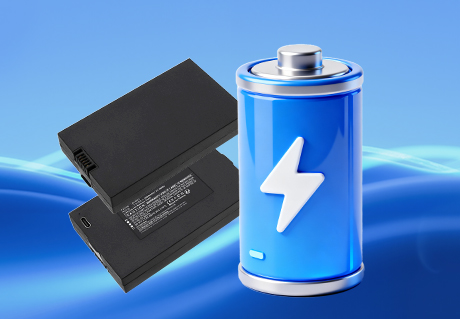
Unlike traditional mechanical locks, smart locks rely on batteries to power fingerprint sensors, Wi-Fi modules, motors, and real time access systems. If battery performance is unreliable, users may face sudden lockouts, frequent replacements, or unexpected downtime – making power management one of the most practical concerns in the smart lock industry today.
Common battery related problems include
Unexpected battery drain within weeks
No low battery warning before shutdown
Motor failure due to insufficient voltage
Wi Fi modules consuming power even when idle
Difficulty replacing batteries in outdoor units
Lock freezing in cold weather due to battery chemistry limits
For this reason, battery life and intelligent power management have become key decision factors for homeowners, property managers, and Airbnb hosts – especially for locks installed on villas, vacation rentals, and commercial buildings where reliability is critical.
The Evolution of Smart Lock Power Management Technology
Modern smart lock manufacturers are adopting several advanced technologies to extend battery life and improve power stability.
Low Power Hardware Design
One of the most important improvements is the shift toward energy efficient components. High quality smart locks now use:
Low power Bluetooth (BLE) instead of continuously active Wi Fi
Energy saving motors that consume less power per unlock
Efficient voltage regulators to reduce standby drain
Capacitive fingerprint sensors with minimal wake up current
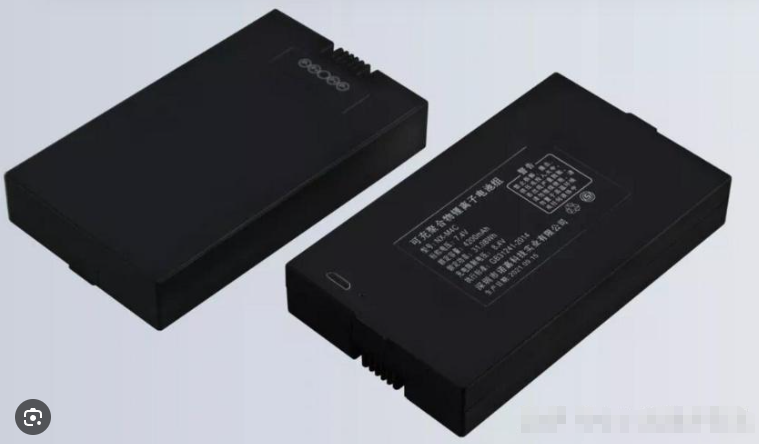
These hardware choices can extend battery life from a few months to over a year, depending on usage frequency.
Intelligent Sleep & Wake Modes
Many premium smart locks feature smart sleep algorithms. The lock enters a deep sleep state when idle, then wakes instantly when the user approaches (via IR sensor or touch activation). This reduces unnecessary power consumption while maintaining responsiveness.
Some advanced models also adjust scanning frequency based on usage patterns – for example, waking less often during nighttime hours or when no motion is detected nearby.
Real Time Battery Monitoring & Alerts
Sudden lockout due to dead batteries is a major user complaint. To solve this, modern smart locks now include:
Real time voltage monitoring
Low battery push notifications via mobile app
Visual indicators (LED flashes or beeps) for weeks before shutdown
Emergency power options (USB C port or 9V battery terminals) on the exterior
This proactive alert system gives users enough time to replace batteries without getting locked out.
Alternative & Backup Power Solutions
As outdoor smart lock demand increases, manufacturers are exploring alternative power sources:
Rechargeable lithium batteries with higher cycle life
Solar charging panels for gates and remote locations
Dual battery systems (main + backup)
Energy harvesting from keypad presses or fingerprint touches
These innovations are still emerging but will become more common as smart locks move into fully outdoor environments.
Environmental Impact on Battery Performance
Battery life is not only about hardware and software – the installation environment plays a major role.
Cold climates can reduce lithium battery capacity by 30–50% in winter, leading to shorter intervals between charges. High heat degrades battery chemistry over time. Frequent use (e.g., 30+ unlocks per day in a vacation rental) consumes power much faster than a home door used 5–10 times daily.
For this reason, some smart lock models now include:
Battery thermal protection circuits
Wide operating temperature ranges (-25°C to +70°C)
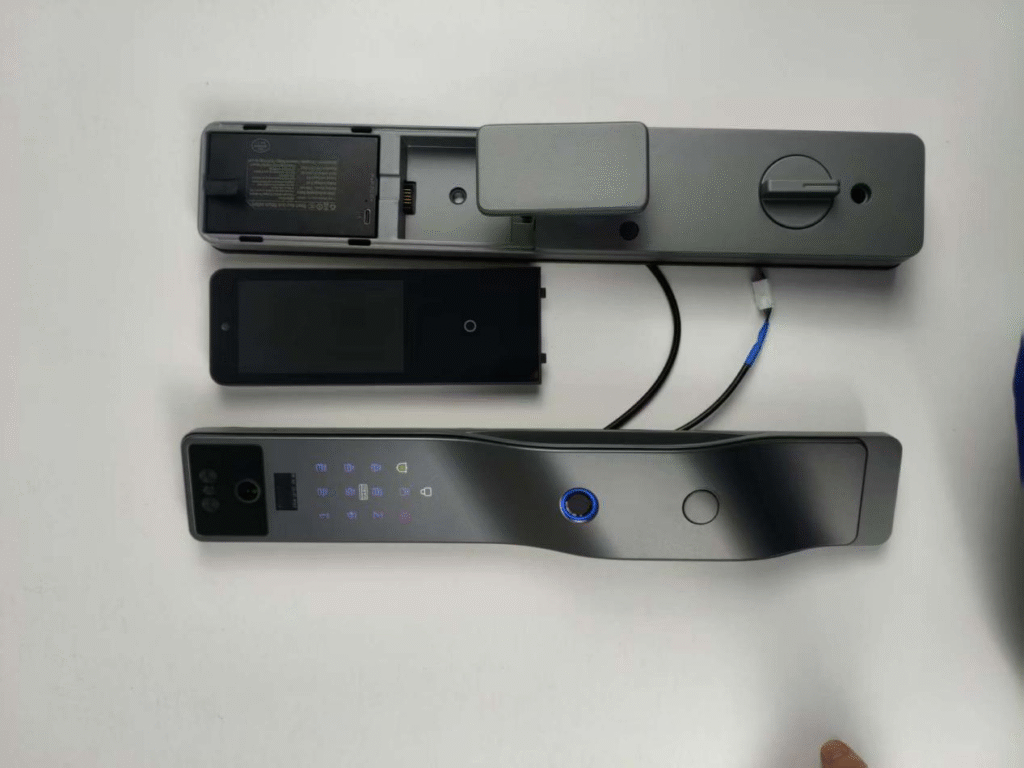
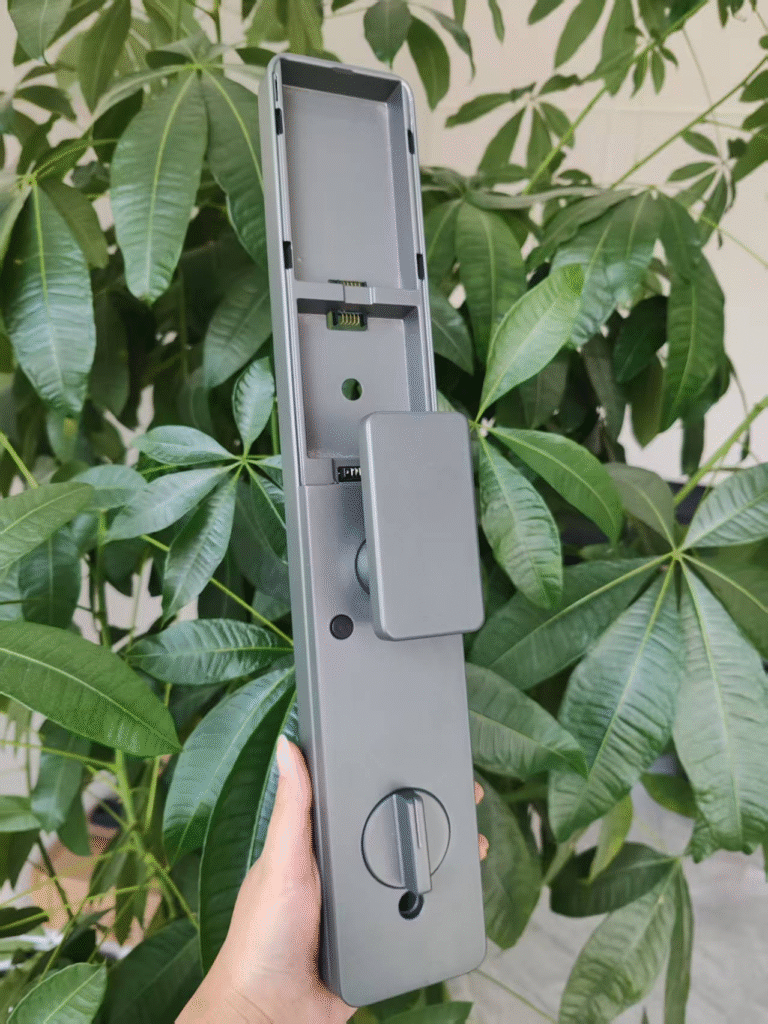
Larger battery compartments for high capacity cells
Understanding usage patterns helps buyers choose the right battery solution for their specific environment.
Laboratory Testing for Battery Reliability
Professional battery testing has become a competitive differentiator. Manufacturers often conduct:
Cycle Life Testing – Simulating thousands of unlock operations to measure long term battery endurance.
Extreme Temperature Testing – Operating locks in freezer chambers and heated enclosures to evaluate real world battery performance.
Standby Drain Testing – Measuring current consumption in sleep mode over weeks or months.
Fast Discharge Simulation – Testing heavy usage scenarios (e.g., Airbnb check in days with 50+ unlocks in a few hours).
At YOLOCK, the AL Series smart locks undergo comprehensive power management testing to ensure consistent performance in residential and commercial applications.
User Habits Also Matter
While hardware and software play the biggest role, user habits can significantly affect battery life.
Common mistakes that drain batteries faster:
Enabling high power features (e.g., constant Wi Fi streaming) unnecessarily
Ignoring low battery alerts for weeks
Using low quality alkaline batteries instead of lithium or high grade cells
Installing locks in direct sun or extreme cold without protection
Smart lock apps now often include battery health tips and estimated remaining days based on recent usage patterns, helping users adopt better habits.
The Future of Smart Lock Power Technology
As smart home adoption grows, we expect several trends to shape the next generation of smart lock power management:
Wireless charging – No need to remove batteries; just place a charging pad near the indoor side.
Ultral low power connectivity – Matter over Thread or Zigbee with years of battery life.
Self calibrating power algorithms – AI learns usage patterns to optimize wake/sleep cycles.
Hybrid power systems – Solar + battery + energy harvesting for zero maintenance outdoor locks.
For smart lock brands and manufacturers, balancing powerful features with long battery life will remain a top engineering priority.
Conclusion
Battery life and intelligent power management are no longer secondary features – they are central to the user experience of modern smart locks. Whether for a family home, an Airbnb property, or a commercial office building, reliable power performance directly affects safety, convenience, and satisfaction.
Through low power hardware, smart sleep modes, real time alerts, and rigorous environmental testing, today’s smart locks are evolving to meet real world energy demands.