
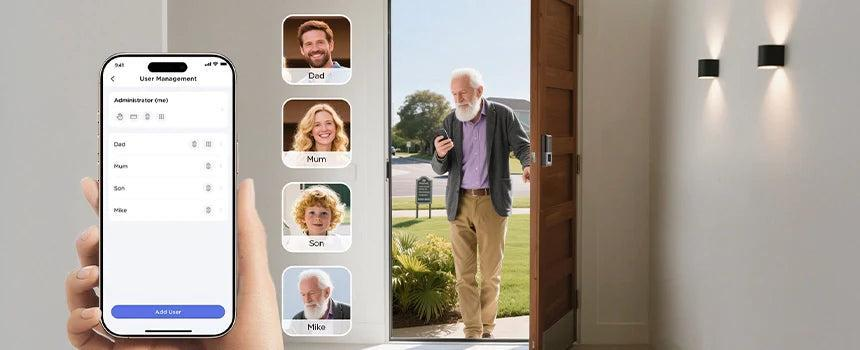
For many people, buying a smart lock used to be frustrating — not because of installation, but because everything was difficult to connect.
Some locks only worked with their own app.
Others supported Alexa but not Apple Home.
And sometimes, simply changing the WiFi network meant setting everything up again from scratch.
For regular users, this created a lot of unnecessary hassle.
That’s exactly why Matter has become such a hot topic in the smart home industry.
Today, more smart lock brands are promoting “Matter support” as a key feature, and many manufacturers already see Matter as the future of smart lock development. So why is Matter suddenly becoming so important, and what exactly is it changing?
What Is a Matter Smart Lock?
Matter is essentially a universal language for smart home devices.
In the past, devices from different brands often struggled to communicate with each other. Matter was designed to solve that problem by creating a unified standard for smart home connectivity.
The project is backed by major tech companies such as:
- Apple
- Amazon
For smart locks, the biggest change is simple:
Users no longer need to worry so much about whether a lock supports a specific platform.
As long as a device supports Matter, it can integrate much more smoothly with different smart home ecosystems.
Why More Smart Locks Are Supporting Matter
1. Users Are Tired of Complicated Setups
One of the biggest problems with older smart locks wasn’t the hardware — it was the user experience.
People often had to deal with:
- Too many apps
- Complicated pairing processes
- Frequent disconnections
- Poor compatibility between platforms
This became especially frustrating for users who already had smart home devices like:
- Smart lights
- Smart speakers
- Security cameras
- Video doorbells
- Home Assistant systems
If the smart lock couldn’t integrate properly, the entire smart home experience felt disconnected.
Matter helps solve this by making devices work together more naturally.
Simply put, users no longer want to download multiple apps just to control one door lock.
2. Matter Makes Smart Locks Part of a Real Smart Home
In the past, many smart locks felt more like standalone electronic locks rather than part of a connected home.
Matter changes that by focusing heavily on automation and ecosystem integration.
For example:
- Lights turning on automatically when you unlock the door
- Security systems disarming when you arrive home
- Doors locking automatically when you leave
- Outdoor cameras activating at night
These kinds of smart home routines existed before, but they were often difficult to configure.
With Matter, the setup process becomes much simpler and more reliable.
That’s one of the main reasons why Matter is attracting so much attention in overseas smart home markets.
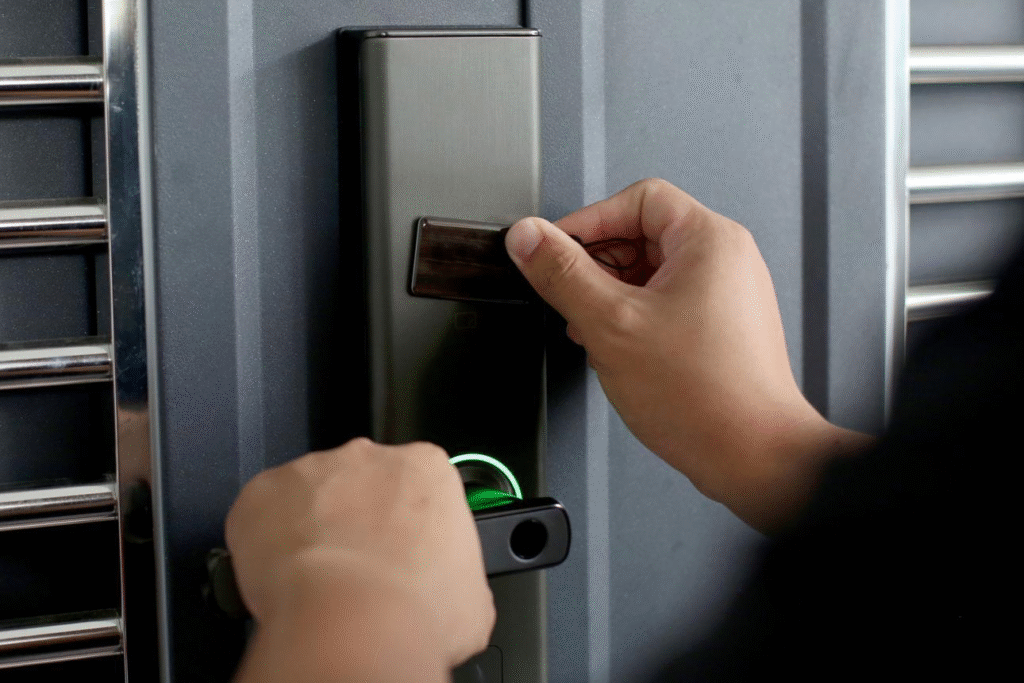
The Biggest Impact Matter Is Having on the Smart Lock Industry
3. Manufacturers Are Rethinking Product Development
In the past, smart lock manufacturers often needed to create separate versions for different ecosystems, such as:
- Tuya versions
- TTLock versions
- HomeKit versions
- Zigbee versions
Each platform required separate development and testing.
Not only was this expensive, but it also increased after-sales support issues.
Now, with Matter becoming more widely adopted, many brands are moving toward a more unified ecosystem strategy.
For manufacturers, this can reduce:
- Software development costs
- Compatibility testing
- Customer support issues
- Platform integration problems
That’s why many OEM smart lock factories are now investing heavily in Matter-compatible products, especially for the European and North American markets.
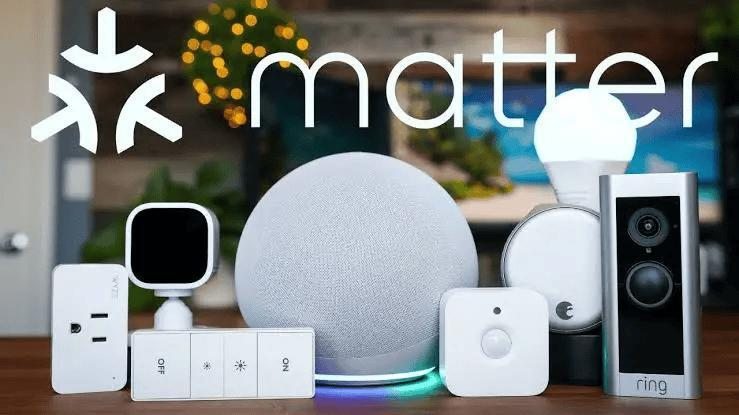
4. Consumers Now Care More About Compatibility
A few years ago, most customers focused mainly on features like:
- Fingerprint access
- Password entry
- Lock design
- Build quality
Today, however, many overseas buyers are actively searching for terms like:
- Matter smart lock
- Apple Home smart lock
- Smart lock for Home Assistant
This shows that consumers no longer see smart locks as standalone products.
Instead, they see them as part of a larger smart home ecosystem.
If a lock cannot integrate smoothly with the rest of the home, many users simply won’t consider buying it.
Will Matter Become the Future Standard for Smart Locks?
Right now, it certainly looks that way.
The entire smart home industry is moving toward more open and unified ecosystems.
In the past, brands created closed systems that didn’t work well together, which often led to poor user experiences.
Matter changes that by making smart homes simpler and more connected.
For smart locks in particular, factors like:
- Stability
- Compatibility
- Connection reliability
are becoming even more important than simply adding more features.
Over the next few years, you’ll likely see more smart lock products promoting features such as:
- Matter Compatible
- Works with Apple Home
- Smart Home Ready
At this point, these are no longer just marketing terms — they’re becoming industry expectations.
Conclusion
Matter is more than just another smart home protocol.
It is fundamentally changing the relationship between smart locks and the connected home.
In the past, smart locks were treated as standalone devices.
In the future, they are becoming the gateway to the entire smart home experience.
For consumers, Matter offers a simpler, smoother, and more reliable experience.
For smart lock brands and manufacturers, it is quickly becoming an essential requirement for entering overseas markets.
Based on the current direction of the industry, Matter is no longer just an optional feature — it is likely to become a standard feature in the next generation of smart locks.