
Can smart locks offer enhanced security?
Based on various discussion threads on Reddit, users primarily focus on factors such as resistance to lock picking, tamper resistance, battery life, and contingency measures in the event of power failure. According to sales data from major e-commerce platforms, most commercially available smart locks are equipped with anti-picking mechanisms and alarm systems that provide timely alerts. In terms of power consumption, models with advanced features tend to consume more energy compared to basic Bluetooth or standalone versions. Nevertheless, these devices typically incorporate rechargeable lithium-ion batteries or multiple dry-cell batteries—some even supporting up to eight AA batteries (compared to the standard four)—to ensure extended operational life.
Is upgrading to a smart lock justified?
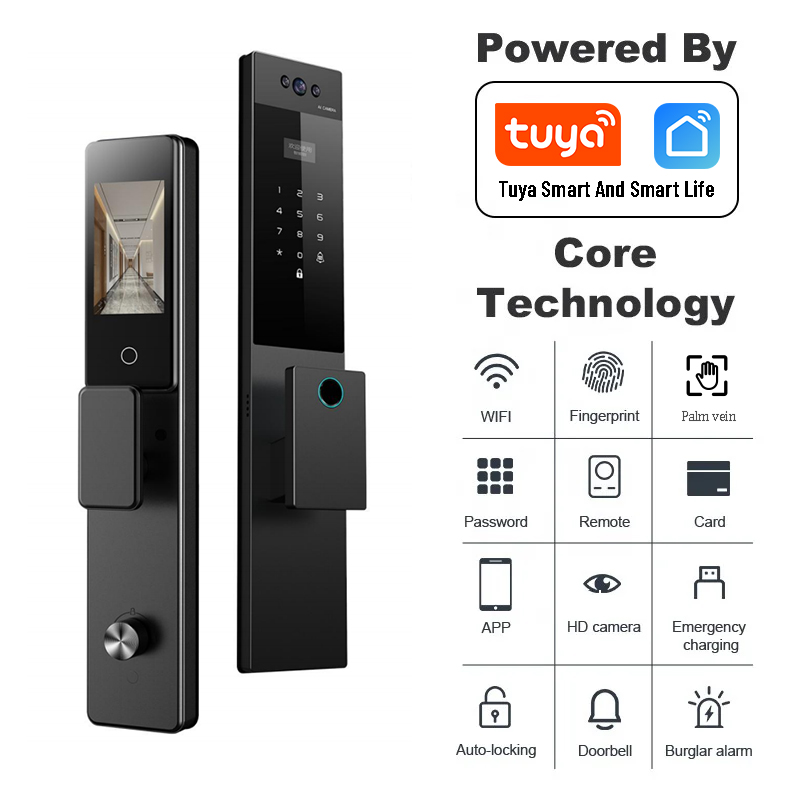
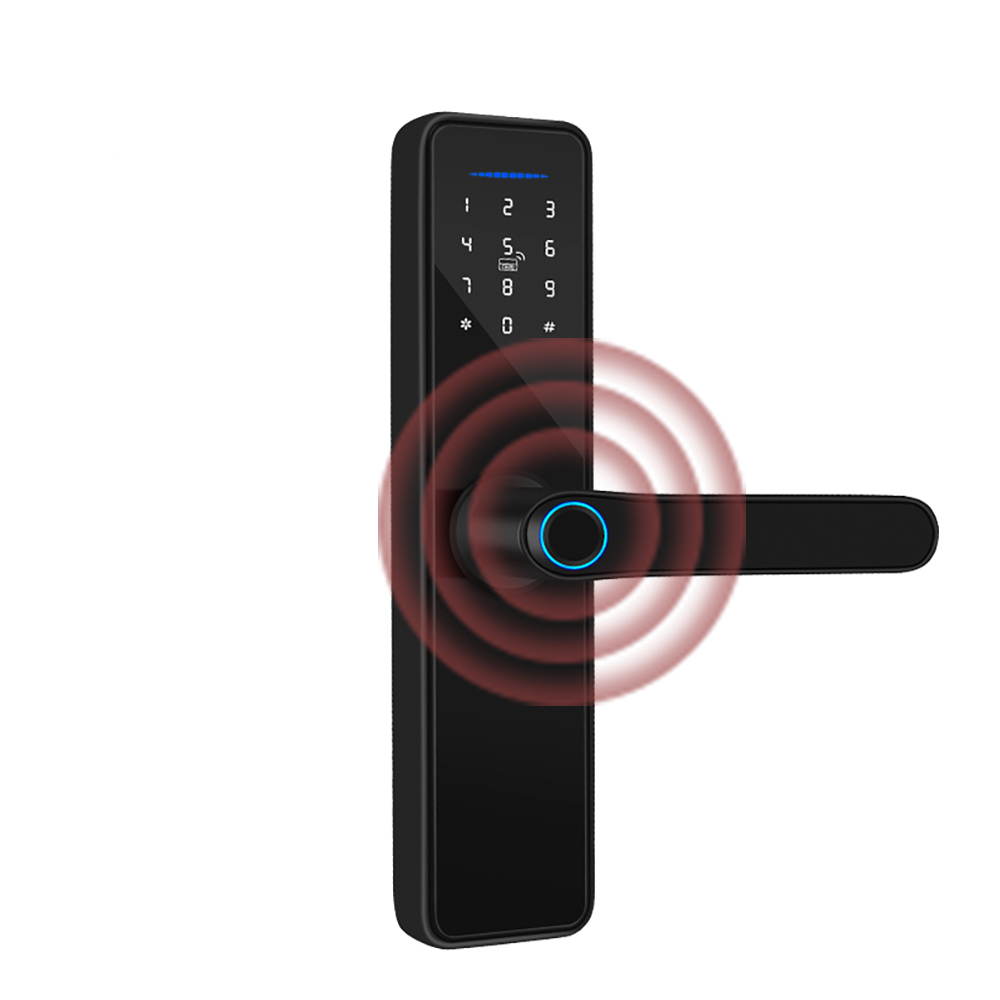
One of the most significant advantages of smart locks lies in their diverse unlocking methods. Users can gain access via fingerprint recognition, PIN codes, mobile applications, or even facial recognition technology—eliminating the need for physical keys altogether. This is particularly beneficial for individuals who frequently forget to carry keys, making smart locks a more practical solution.
Another key benefit is their compatibility with third-party smart home ecosystems, which significantly enhances user convenience. Many smart lock brands support integration with leading voice assistants and home automation platforms, including Amazon Alexa, Google Assistant, Apple Siri, and Apple Home (the latter requiring Matter protocol support).
From a security standpoint, the anti-tampering alarm function represents a major advantage. When unauthorized attempts to forcibly open the lock are detected, the system immediately triggers an audible alarm and sends real-time notifications to the user’s connected device. Compared to conventional mechanical locks, this proactive response mechanism offers superior protection. For individuals concerned about residential break-ins or those with heightened security needs, the protective capabilities of smart locks are notably more robust.
In summary, while traditional mechanical locks remain simple and reliable, smart locks provide greater flexibility through multiple access methods. Features such as anti-picking alarms and real-time alert systems enhance the overall security of residential entry points. Compared to traditional alternatives, smart locks demonstrate clear advantages in anti-theft and anti-tampering performance, thereby significantly improving both convenience and security in everyday living environments.