
Impact of War on Smart Lock Supply Chain (Smart Lock Manufacturing & Costs)
The smart lock industry relies heavily on components such as chips, metal materials, and batteries. During conflicts, supply chains become unstable due to:
Rising raw material costs (aluminum, zinc alloy)
Semiconductor shortages
Shipping delays and higher logistics costs
This leads to:
Increased production costs for smart locks
Longer delivery times for home locks and hotel locks
Pressure on small and mid-sized manufacturers

For smart lock suppliers, maintaining stable inventory and diversifying sourcing becomes critical.
Changing Demand for Smart Locks During Conflict (Home Locks & Security Needs)
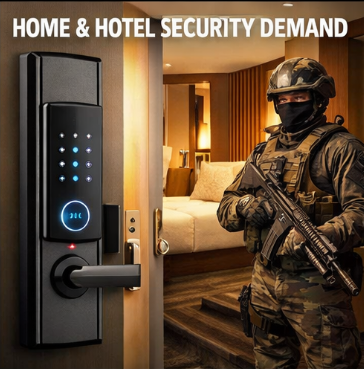
While economic uncertainty may slow down consumer spending, demand for security products actually increases.
Key trends:
Higher awareness of home security → growth in home lock upgrades
Increased need for remote access and control
Demand from governments and institutions for advanced security systems
Smart locks are no longer just convenience products—they are becoming essential security infrastructure.
Logistics Challenges for Smart Lock Exporters (Global Market for Hotel Locks)
For companies exporting smart locks, especially hotel locks and project-based solutions, war creates several challenges:
Delays in international shipping routes
Increased freight costs
Uncertainty in delivery schedules
This directly impacts:
Hotel projects
Real estate developments
Bulk procurement contracts
Companies with overseas warehouses or localized distribution gain a major advantage in such situations.
Post-War Reconstruction : Smart Locks in Housing and Hotels
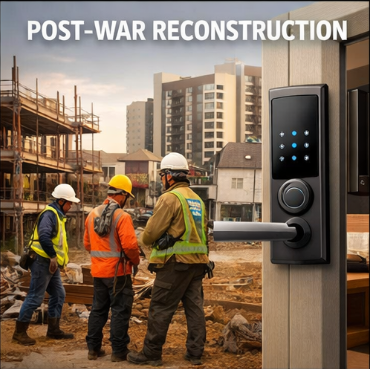
After conflicts, reconstruction drives massive demand for infrastructure, including:
Residential housing → home smart locks
Commercial buildings → access control systems
Hospitality sector → hotel locks
Unlike traditional rebuilding, modern reconstruction often adopts smart technology from the beginning.
Example of reconstruction-driven demand:
Smart locks replacing traditional mechanical locks
Integrated smart home systems in new housing
Digital access systems in hotels and offices
Future Trends: Smart Lock Technology Upgrades After War
Post-war environments push the industry toward more advanced solutions:
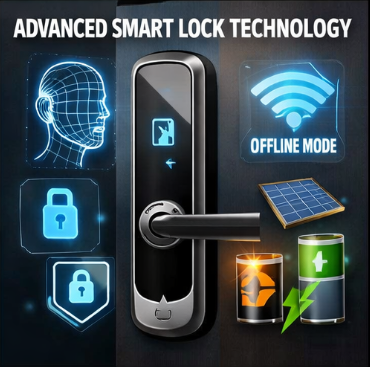
(1) Higher Security Smart Locks
Biometric authentication (fingerprint, facial recognition)
Anti-hacking encryption systems
(2) Offline & Backup Functionality
Smart locks that work without internet
Local control systems for emergencies
(3) Energy-Efficient Home Locks
Low power consumption
Backup batteries or solar options
These features are especially important in regions recovering from unstable infrastructure.
Conclusion
In summary, war creates short-term challenges but long-term opportunities for the smart lock industry. While manufacturers face rising costs and supply chain disruptions, the demand for security solutions like smart locks, home locks, and hotel locks continues to grow.
After the war, reconstruction efforts will accelerate the adoption of smart locking systems across residential, commercial, and hospitality sectors. For businesses in the smart lock market, the key to success lies in:
Strengthening supply chains
Focusing on high-security products
Expanding into reconstruction and project-based markets
The future of smart locks is not just about convenience—it is about becoming a critical part of global security infrastructure.