
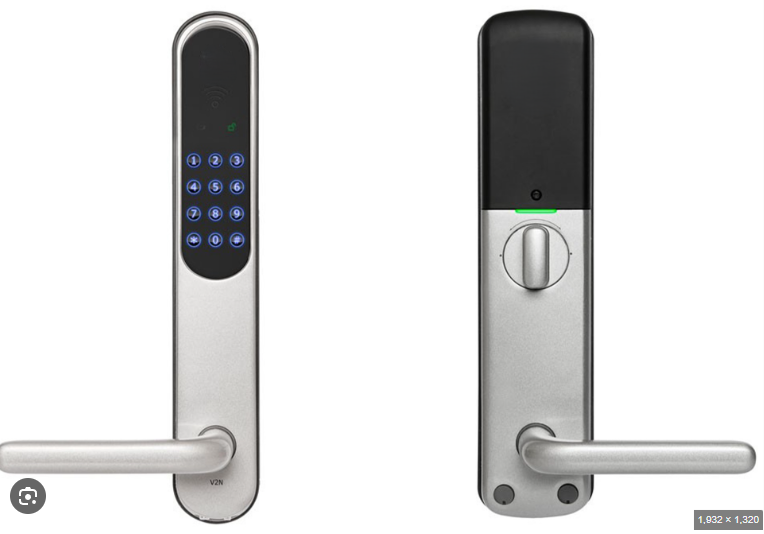
Introduction: The Rise of Digital Security in the Archipelago
Indonesia’s smart lock market is no longer a niche segment for luxury villas in Bali or high-end apartments in Jakarta. As the digital economy expands, security technology is shifting from traditional padlocks to biometric and IoT-enabled devices. The key drivers include the rise of rumah dijual (houses for sale) in gated communities and the high density of rusun (low-cost apartments) in urban centers like Surabaya and Bandung. Consumers are increasingly looking for keyless entry solutions that offer convenience, remote access control, and integration with broader smart home ecosystems.
Key Market Drivers Shaping Indonesia’s Smart Lock Industry
Before diving into specific brands, it is essential to understand the environmental factors that influence brand success in Indonesia. Firstly, high humidity and tropical weather dictate product durability. Brands that fail to offer waterproofing (IP54 rating or higher) or rust-resistant materials typically lose consumer trust quickly.
Secondly, the “Sistem Keamanan Ganda” (double security system) culture is strong. Unlike Western markets where smart locks are often standalone, Indonesian consumers frequently prefer locks that combine biometric access with a traditional mechanical key backup. This is due to lingering concerns about power outages—a frequent occurrence in some regions—and the reliability of electronic components.
Lastly, after-sales service (Service Center) is the single most decisive factor. Indonesian consumers are highly vocal on social media about warranty claims and technician response times. Brands with localized service centers in major cities like Jakarta, Medan, and Makassar hold a significant competitive advantage over those relying solely on e-commerce imports without local support.
Top International Smart Lock Brands in Indonesia
1. Yale: The Market Leader
Yale holds the largest market share in Indonesia, leveraging its century-old reputation. The brand has successfully localized its products through a strong partnership with ASSA ABLOY and local distributors. Yale’s success lies in its diverse portfolio, ranging from the budget-friendly Yale Linus to the premium Yale Assure Lock 2.

Key Strengths:
Massive Service Network: Yale has the most extensive authorized service center network across Indonesia, which is a major selling point.
Weather Resistance: Their products are specifically tested for Indonesian humidity and extreme heat.
Local Manufacturing: Some assembly occurs locally, reducing import costs and ensuring spare part availability.
2. Samsung: The Premium Choice
Samsung was one of the pioneers in digital locks in Indonesia. While their focus has shifted slightly towards mobile phones and appliances, their Samsung Digital Door Lock series (such as the *SHP-DP609* and *SHP-R80*) remains highly coveted, particularly for modern apartments in Jakarta’s central business district.
Key Strengths:
Aesthetic Appeal: Samsung locks are often chosen for their minimalist, futuristic design that matches modern interior trends.
Brand Trust: The Samsung logo itself serves as a trust signal for Indonesian consumers wary of lesser-known brands.
Fingerprint Technology: They utilize high-end capacitive fingerprint sensors that are highly accurate, even for elderly family members or children.
Rising Local Heroes: Indonesian Smart Lock Brands
While international brands dominate the premium segment, local and regional brands are capturing the mid-to-low tier market with aggressive pricing and localized features.
3. V5: The Aggressive Challenger
V5 has quickly become a household name in Indonesia through aggressive digital marketing (Tokopedia, Shopee Live) and competitive pricing (often 30-40% cheaper than Yale). V5 focuses on “smart living” and integrates heavily with the local smart home ecosystem.
Strategy:
E-commerce First: V5 excels in flash sales and bundles.
Feature-Rich: They offer advanced features like 3D facial recognition, which is typically found in higher-end international models, at a mid-range price point
Color Variants: They cater to Indonesian tastes by offering a wide range of colors (gold, black, silver) to match various door materials.
4. Igloohome: The Hospitality Specialist
Singapore-based Igloohome has a strong presence in Indonesia, particularly in the short-term rental and villa market (Airbnb, Bali villas). Their unique selling point is the ability to generate offline access codes, which is crucial for areas in Bali or Lombok where internet connectivity may be unstable.
Strategy:
Offline Capability: Pin codes that work without Wi-Fi.
Commercial Focus: They dominate the hospitality sector, though they are expanding into residential.
5. TERUZ: The Value Proposition
TERUZ is another local brand gaining traction. They focus on “heavy-duty” security, often marketing their locks with high-strength alloy bodies and anti-theft alarms. Their target demographic is homeowners in suburban areas who prioritize physical durability over app connectivity.
Consumer Preferences and Buying Behavior
Understanding how Indonesians buy smart locks is critical for market analysis. E-commerce platforms (Tokopedia, Shopee, Lazada) account for over 60% of smart lock sales. Consumers heavily rely on user-generated content—specifically video reviews and unboxing videos—before making a purchase.
Key factors influencing purchase decisions:
Installation Services: “Free Installation” (Pasang Gratis) is often a deal-breaker. Consumers prefer brands that offer professional installation partners, as door modifications (drilling) are often required.
Biometric Sensitivity: In a tropical climate, fingerprints can be sweaty or dirty. Brands that offer “wet finger” recognition technology are preferred.
Security Features: Anti-panic handles and fire safety sensors are highly prioritized, reflecting the Indonesian emphasis on family safety.
Future Trends: What’s Next for Smart Locks in Indonesia?
The future of the Indonesian smart lock market lies in integration with the broader smart home ecosystem. As internet infrastructure improves with the rollout of Palapa Ring (national broadband), connectivity issues are diminishing.
We are seeing a rise in IoT integration, where smart locks are bundled with CCTV cameras and smart doorbells. Additionally, the “Satu Pintu” (One Door) concept is emerging, where developers of new apartment towers in BSD City and PIK 2 are pre-installing smart locks as standard features to differentiate their properties.
Sustainability is also becoming a talking point. Brands are beginning to market battery efficiency—locks that last 12 months on a single charge using rechargeable lithium batteries—to appeal to eco-conscious consumers.
Conclusion
The smart lock landscape in Indonesia is a dynamic battleground between international giants offering reliability and local/regional brands offering value and agility. For consumers, the choice often boils down to the balance between advanced biometric features and the assurance of localized after-sales service. As the country continues its digital transformation and urban sprawl, the adoption of smart locks is set to shift from a luxury upgrade to a standard household necessity. For brands entering this market, success hinges not just on technology, but on mastering the logistics of service, installation, and adaptation to Indonesia’s unique tropical climate and consumer behavior.