
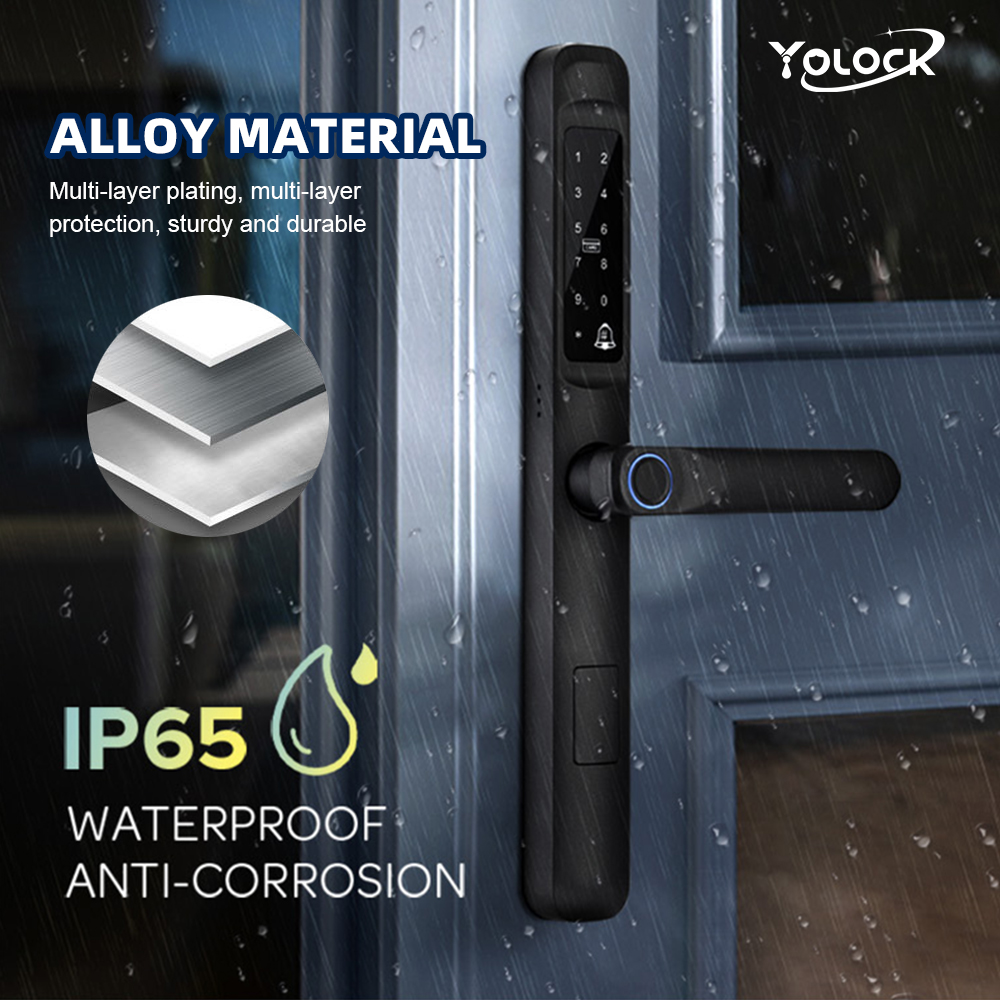
Imagine this scenario: You have just installed a brand-new smart lock on your front gate. It works perfectly, offering keyless convenience and remote access. Then the rainy season hits. A heavy storm rolls through and suddenly your high-tech lock stops working. The fear of water damage is one of the biggest obstacles for homeowners and businesses considering upgrading to electronic security systems.
However, modern technology has bridged the gap between sensitive electronics and harsh outdoor elements. So, how exactly do smart locks achieve waterproof functionality? Is it magic, or is it engineering?
In this article, we will take a deep dive into the technology that keeps your smart lock dry, explaining the standards, materials and designs that ensure reliable performance in all weathers.
Understanding IP Ratings: The Gold Standard
Before examining the hardware, it is important to understand how waterproofing is measured. In the industry, we refer to the IP rating (ingress protection code). This two-digit code indicates exactly how well a device is sealed against foreign objects, such as dust and water.
For smart locks, you will commonly see ratings such as IP65, IP66 or IP67. Here is what they mean:
The first digit (solids): Usually a “6”, meaning the lock is dust-tight. No dust can get inside to clog the gears or sensors.
The second digit (liquids): This is where the waterproofing comes in.
IP65: Protected against low-pressure water jets from any direction (e.g. heavy rain).
IP66: Protected against high-pressure, heavy jets of water.
IP67: Can be immersed in water up to 1 metre deep for a short time (though this is rare for standard door locks).
If you live in a rainy climate, never settle for anything less than an IP65 rating when shopping for an outdoor smart lock.
1. Structural design: Sealing the Gaps
The most vulnerable parts of any electronic device are the gaps, such as where the front cover meets the backplate or where cables pass through the door.
Smart lock manufacturers achieve water resistance through precision engineering.
Rubber gaskets and O-rings: High-quality smart locks utilise silicone or rubber seals at every seam. These gaskets create a compression seal when the lock is assembled, preventing water from seeping into the internal circuitry.
Waterproof membranes: Your smart lock needs to ‘speak’ to you (audio feedback) and listen to you (voice control). To achieve this without letting water in, manufacturers use waterproof, breathable membranes (such as GORE-TEX) over the speakers and microphones. These membranes allow sound waves to pass through, but repel liquid water.
2. Nano-Coating Technology: An invisible shield
While physical seals prevent water from entering the casing, condensation can still form inside the lock due to temperature changes and humidity. This is where nano-coating (hydrophobic coating) comes in.
This advanced process involves applying a super-thin layer of chemical material to the PCB during manufacturing.
How it works: The coating chemically bonds to the surface of the electronics, causing them to repel water.
The result: Even if a tiny amount of moisture does get inside, it simply beads up and rolls off the electronics rather than causing a short circuit. Essentially, it acts as an umbrella for your microchips.
3. Material selection: Combating Rust and Corrosion
Waterproofing is not just about keeping the inside dry; it is also about protecting the outside. A lock that rusts shut after one rainstorm is useless, regardless of its IP rating.
To ensure longevity, weatherproof smart locks are made from specific materials:
Zinc alloy: The industry standard for durability. It is heavy-duty and naturally resistant to corrosion.
Stainless steel: Often used for the latch and deadlock to prevent the moving parts seizing up in wet weather.
PVD Coating: Physical Vapour Deposition is a finishing process that gives the lock a premium look, such as Matte Black or Champagne, and adds an extra layer of protection against scratches and UV damage, which can be exacerbated by exposure to rain.
Why waterproofing matters for your investment
Choosing a smart lock with superior waterproof capabilities gives you peace of mind.
Uninterrupted security: You don’t want to be locked out of your home because a thunderstorm has short-circuited your keypad.
Long-Term Savings: Water damage is a leading cause of electronic failure. A weatherproof lock extends the device’s lifespan, offering a better return on investment.
Versatility: Proper waterproofing enables you to install smart locks on outdoor gates, garage doors and pool houses, not just on the sheltered front door.
Conclusion
Smart locks are no longer fragile gadgets that must be hidden from the elements. Through the combination of robust IP ratings, precision structural sealing, advanced nano-coatings, and corrosion-resistant materials, modern smart locks are built to withstand the harshest weather conditions.
Whether you are dealing with tropical humidity, heavy snow, or coastal salt spray, there is a weatherproof smart lock solution designed to keep your property secure without compromising on technology.
Ready to upgrade to weather-proof security?
Explore our collection of Yolock IP65 Rated Outdoor Smart Locks and experience the perfect blend of smart technology and rugged durability.