Abstract: Discover the ultimate 2026 smart lock buying guide for independent site buyers. This article covers core technologies like 3D facial recognition and Matter protocol compatibility, international safety certifications, and scenario-based solutions for villas and apartments. Learn how to choose the right smart lock for enhanced home security and seamless smart home integration.
Core Smart Lock Technologies: From Biometrics to AI-Powered Security
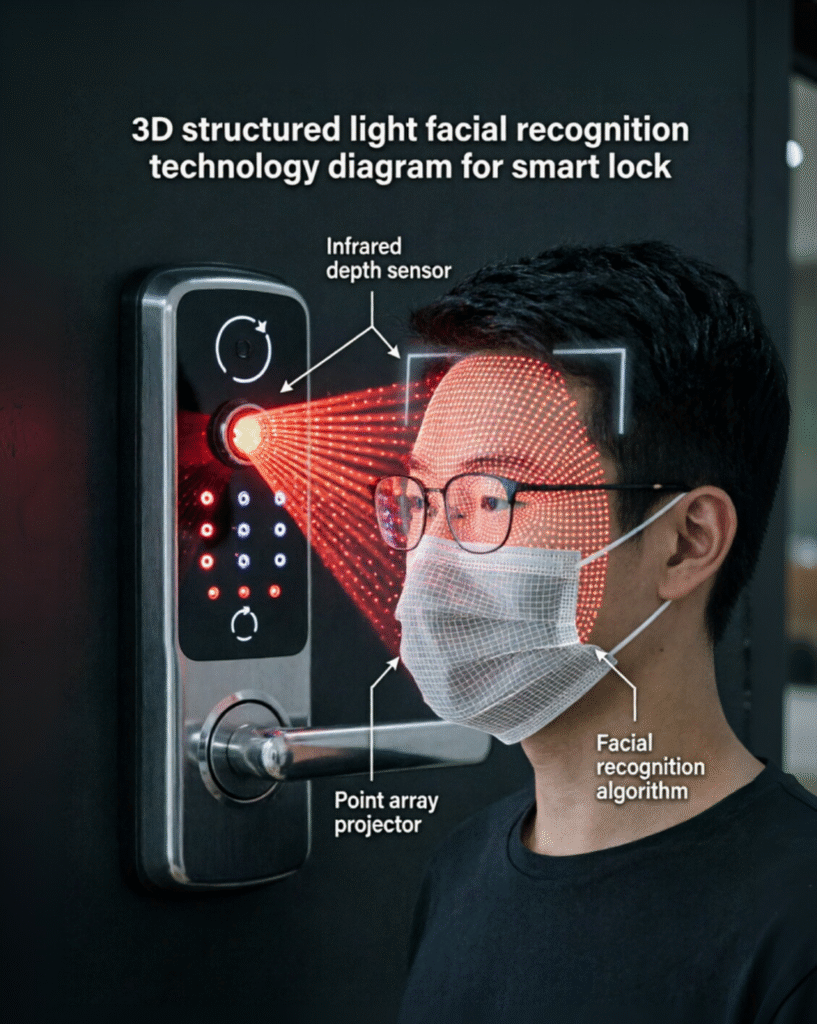
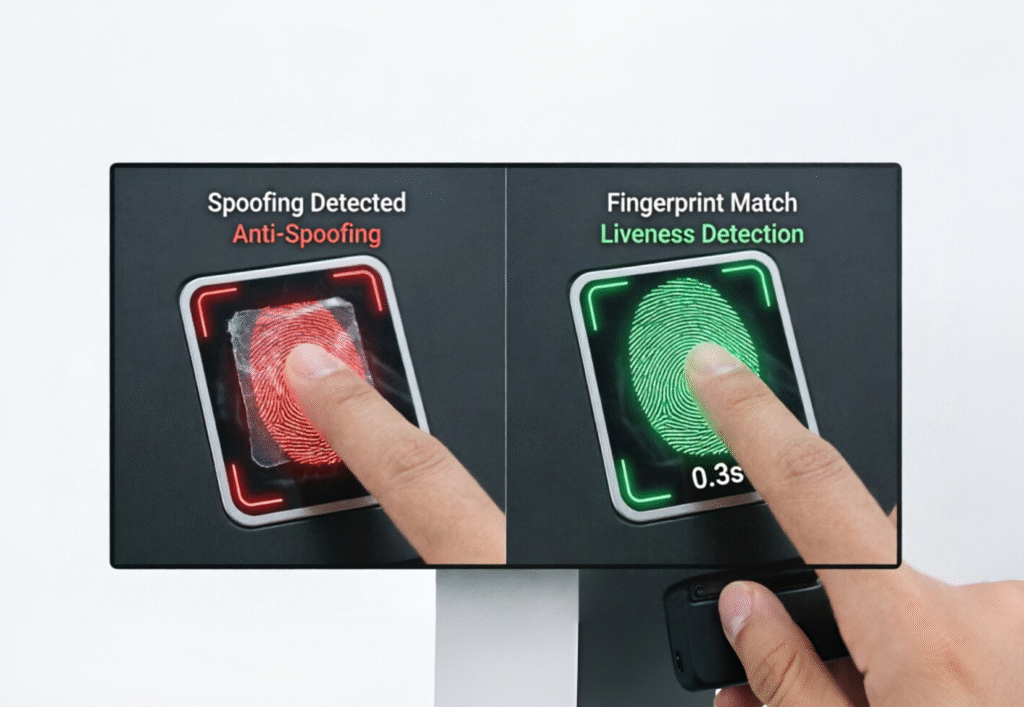
In 2026, smart locks have evolved far beyond basic password entry, with biometric and AI technologies redefining home security. Semiconductor fingerprint recognition with liveness detection is now standard, achieving unlock speeds under 0.3 seconds while preventing spoofing attacks. High-end models feature 3D structured light facial recognition, using infrared depth sensing to accurately identify users even in low light or when wearing glasses and masks, with false acceptance rates below one in a million. AI-powered smart locks take this further by learning user habits, adapting to facial changes over time, and proactively detecting risks like loitering strangers or abnormal vibrations, transforming passive security into active, intelligent protection.
Smart Home Compatibility: Seamless Integration with Matter Protocol
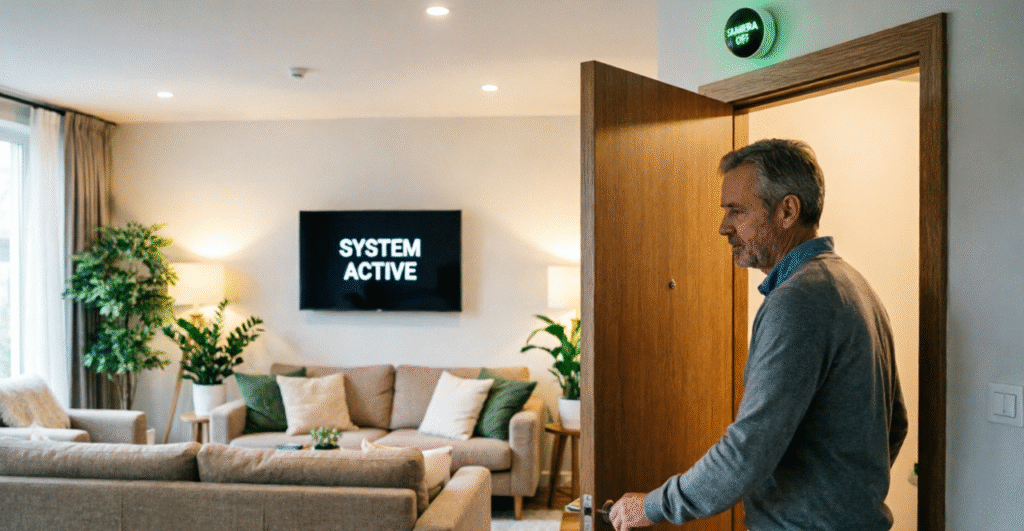
Ecosystem compatibility is a critical factor for global buyers when selecting a smart lock. The Matter protocol has become the universal standard in 2026, enabling seamless cross-platform integration with Apple HomeKit, Google Home, and Amazon Alexa. A Matter-compatible smart lock can trigger automated routines, such as turning on living room lights and deactivating security cameras upon entry, or engaging away mode to lock the door and sync status to a mobile app. For independent site buyers, prioritizing Matter support eliminates ecosystem lock-in, ensuring future-proof compatibility and reducing long-term replacement costs as smart home systems evolve.
Safety Certifications & Privacy Protection: Building Trust for International Buyers
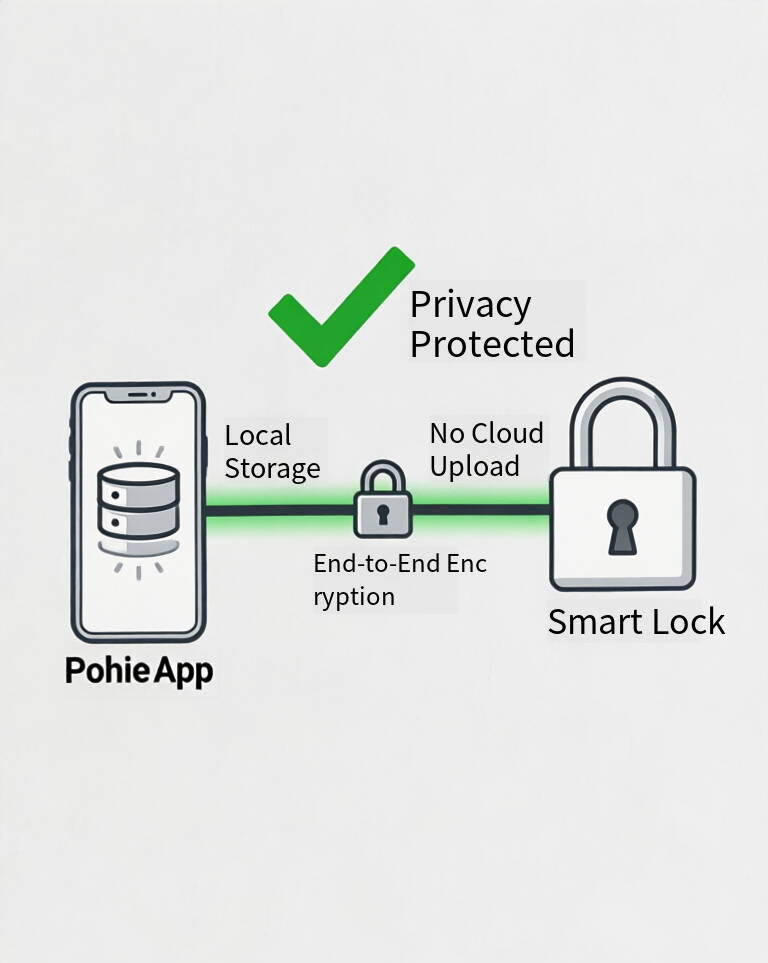
International safety certifications are the cornerstone of smart lock credibility for global markets. Reputable products must comply with FCC, CE, and UL standards, with premium models also holding ISO 27001 information security certifications. Hardware security features include C-grade lock cylinders and anti-tamper alarms that trigger alerts and push notifications to mobile apps during forced entry attempts. On the software side, end-to-end encryption protects user data, with all biometric information stored locally on the device rather than uploaded to the cloud, eliminating privacy leakage risks. Independent sites should prominently display certification documents and privacy policies to build buyer trust and differentiate from low-quality competitors.
Scenario-Based Smart Lock Solutions: Tailored for Villas, Apartments & More
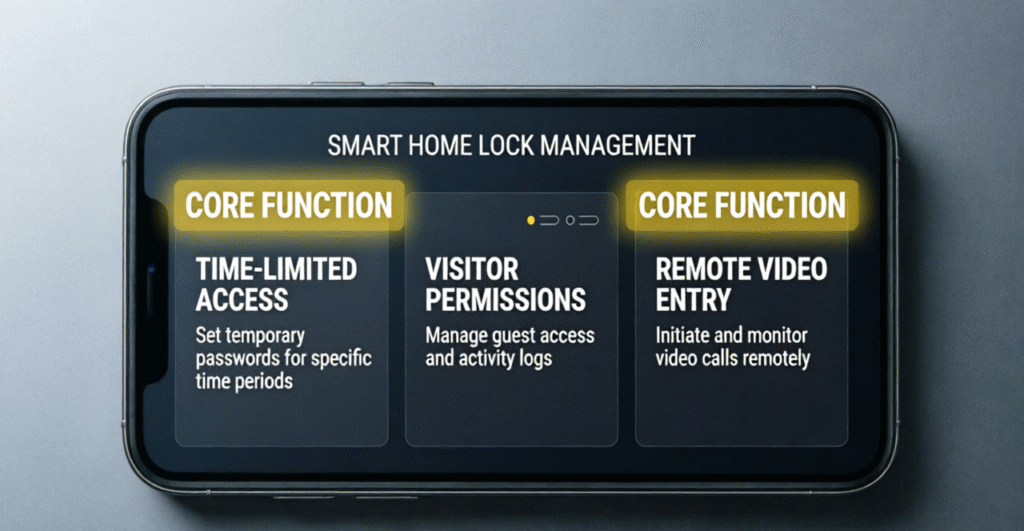
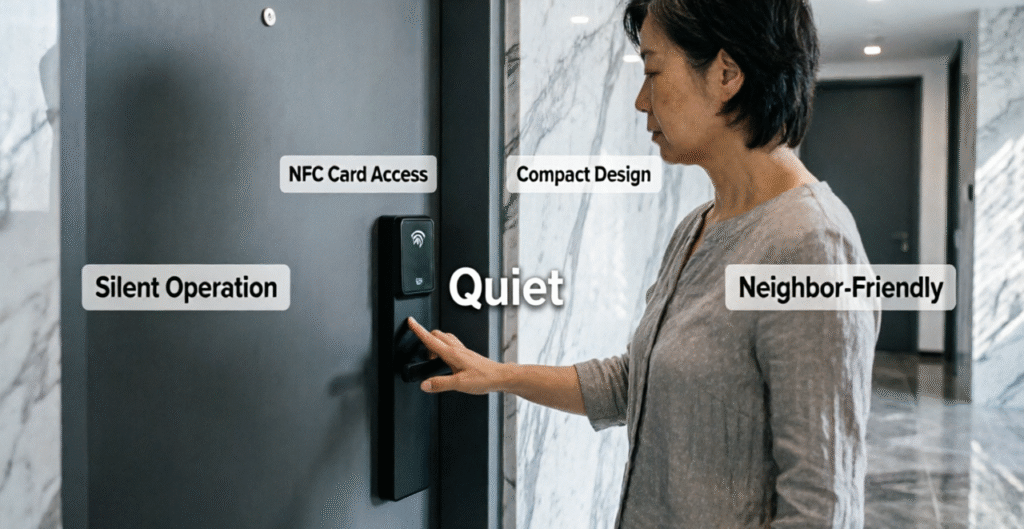
Different living scenarios demand distinct smart lock functionalities. Villa owners prioritize multi-user management and remote access control, with features like time-limited, permission-based temporary passwords for family members, nannies, and guests, paired with video doorbells for remote communication and entry. Apartment residents focus on quiet operation and compact designs to avoid disturbing neighbors, along with NFC card access for elderly users and children who may struggle with biometric verification. Independent sites can leverage scenario-based content to help buyers quickly identify the right product, improving conversion rates and reducing post-purchase support inquiries.
Summary
The 2026 smart lock selection process requires balancing advanced technology, ecosystem compatibility, safety certifications, and scenario-specific needs. For independent site operators, publishing professional, detailed content not only answers buyer questions but also establishes brand authority and drives organic traffic. Regularly updating product reviews, installation tutorials, and troubleshooting guides, combined with FAQ sections targeting long-tail keywords, can significantly boost search rankings and user engagement, turning smart lock content into a powerful driver of both traffic and conversions.