
Summary
The smart lock industry is entering a transformative decade driven by artificial intelligence, the Internet of Things (IoT), smart home adoption, and increasing security awareness. Between 2026 and 2036, demand for smart locks, biometric access control, cloud-based security solutions, and connected home ecosystems is expected to accelerate across residential, commercial, hospitality, and property management sectors. As technology becomes more affordable and consumers prioritize convenience and cybersecurity, manufacturers that focus on innovation, interoperability, and sustainability will be well-positioned for long-term growth. This article explores the key trends, opportunities, challenges, and predictions shaping the future of the global smart lock market.
The Future of the Smart Lock Industry: Market Growth and Global Demand
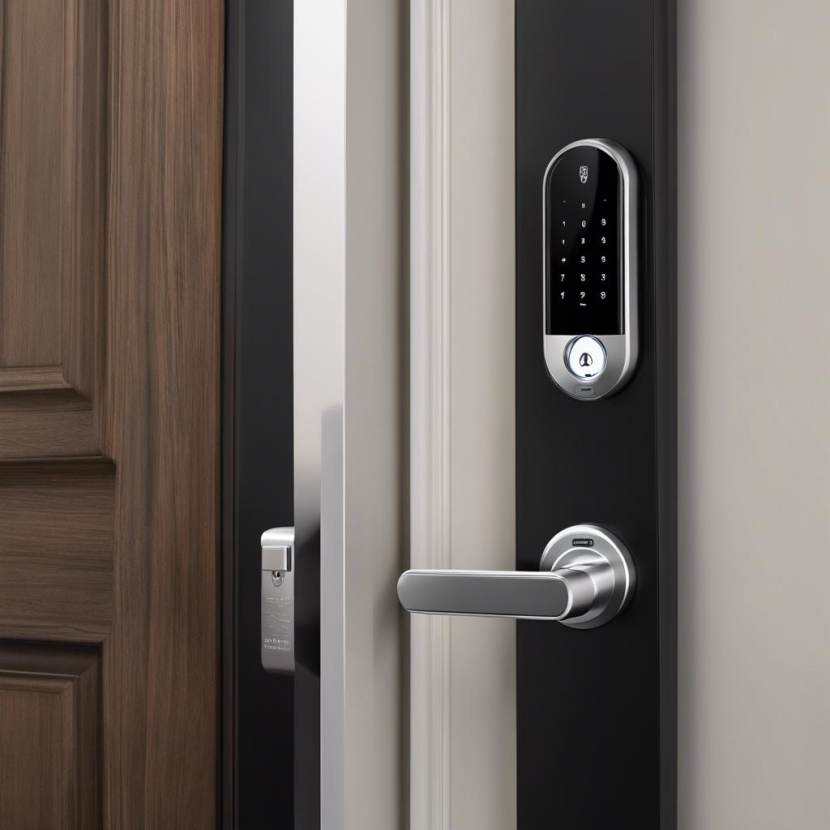
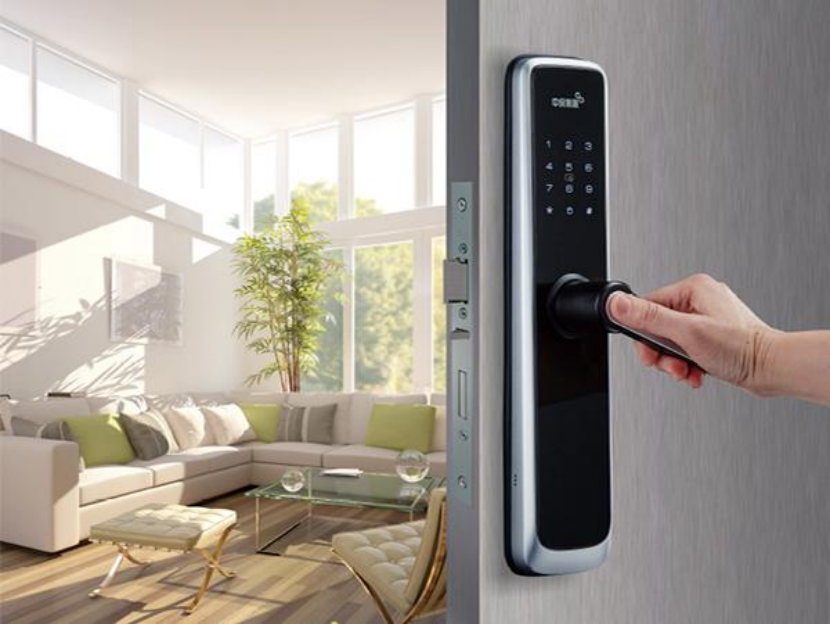
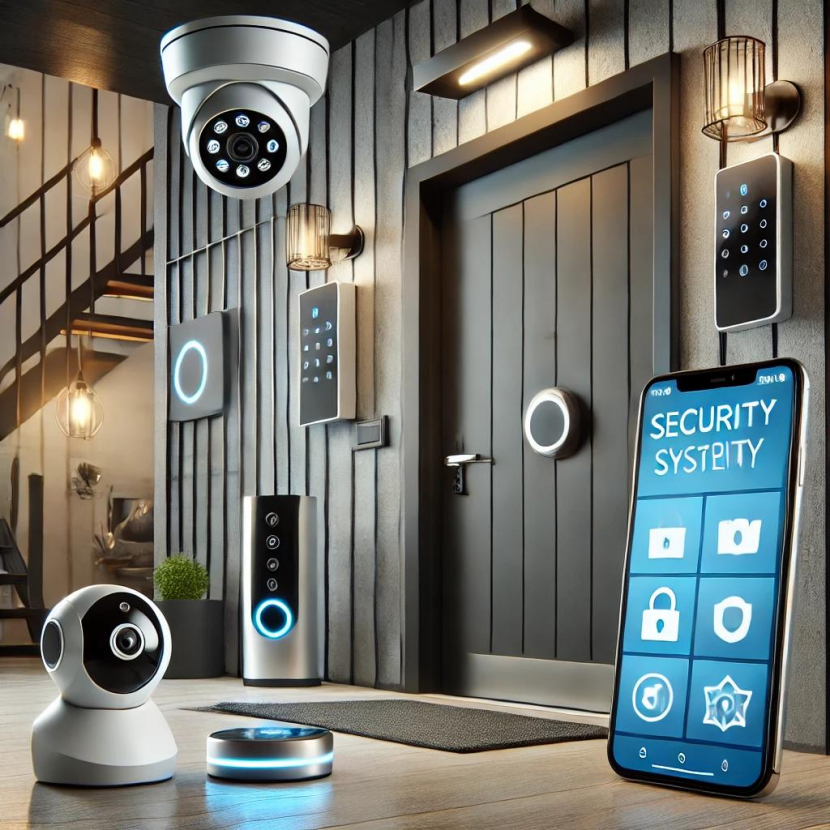
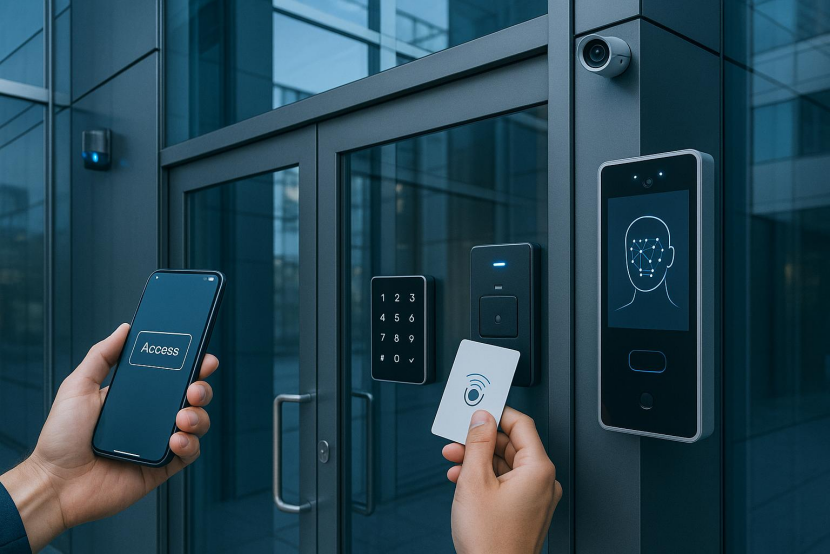
The global smart lock industry has experienced rapid expansion over the past decade, and this momentum is expected to continue through 2036. Growing urbanization, rising disposable income, and increased investment in smart homes are creating strong demand for intelligent security products.
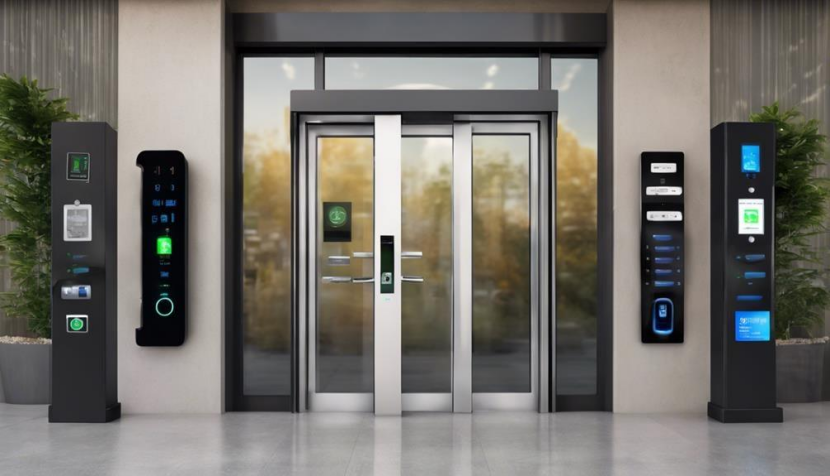
Consumers are increasingly replacing traditional mechanical locks with digital solutions that offer keyless entry, remote monitoring, and smartphone control. At the same time, commercial buildings, hotels, rental properties, and office spaces are adopting smart access systems to improve operational efficiency and user convenience.
Emerging markets in Asia-Pacific, the Middle East, and Latin America are expected to contribute significantly to future growth, while North America and Europe will continue upgrading existing smart home infrastructure. As prices decline and technology matures, smart locks will become a standard feature rather than a premium option.
AI-Powered Smart Locks and IoT Integration Will Become the Industry Standard
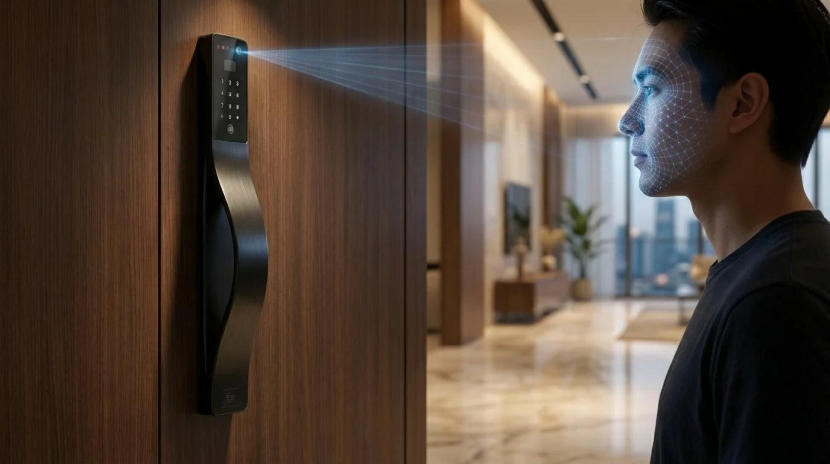
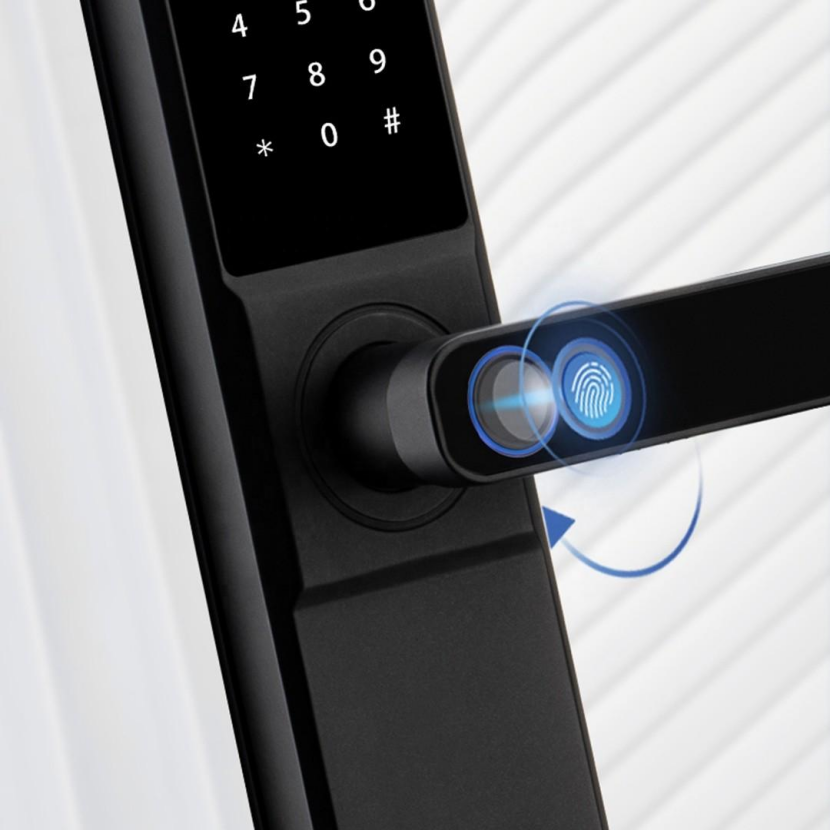
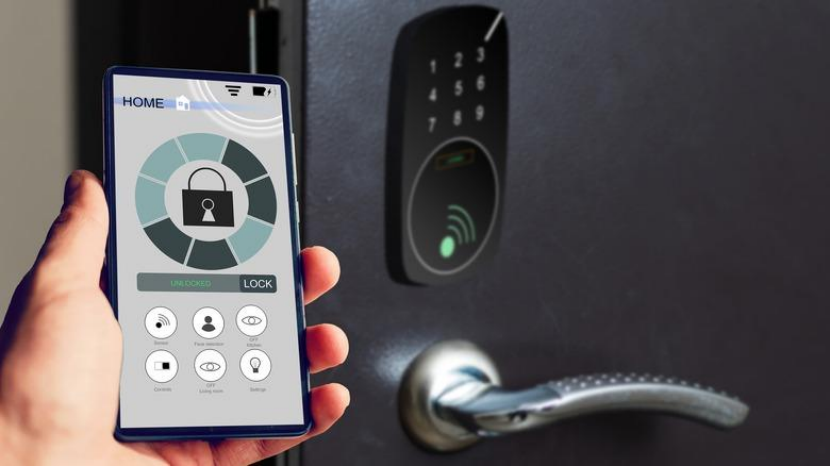
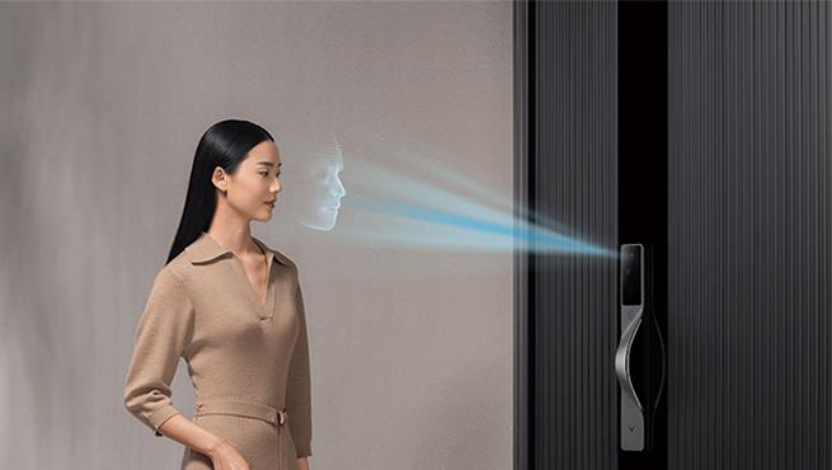
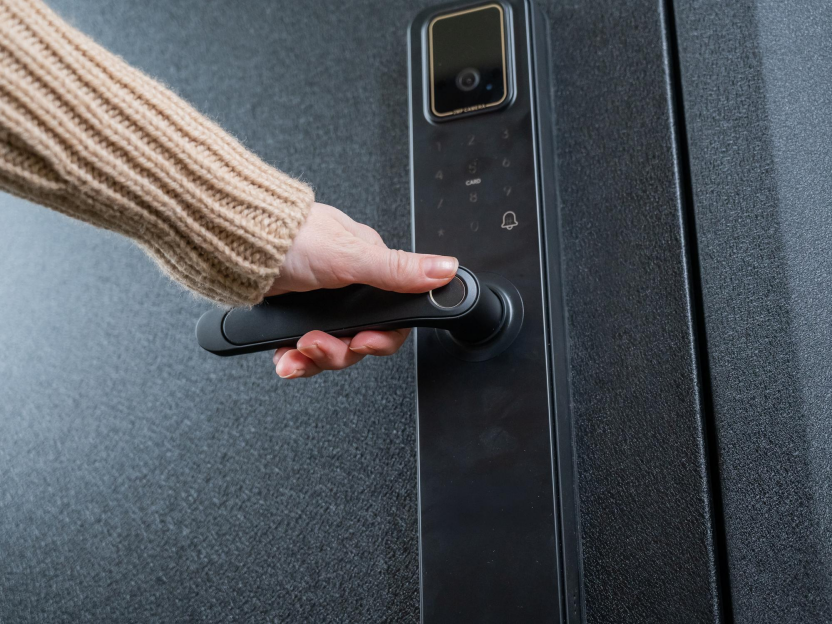
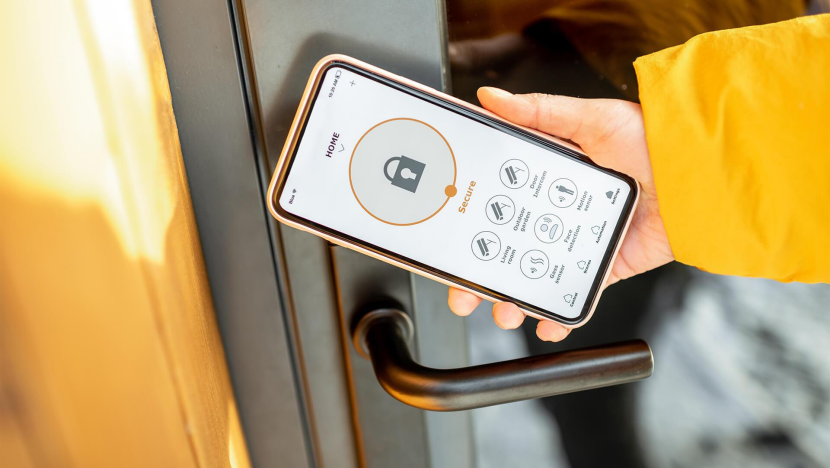
Artificial intelligence will fundamentally reshape the smart lock market over the next ten years. Future products will move beyond simple fingerprint or password authentication by integrating advanced AI capabilities such as facial recognition, behavioral analysis, voice identification, and adaptive security algorithms.
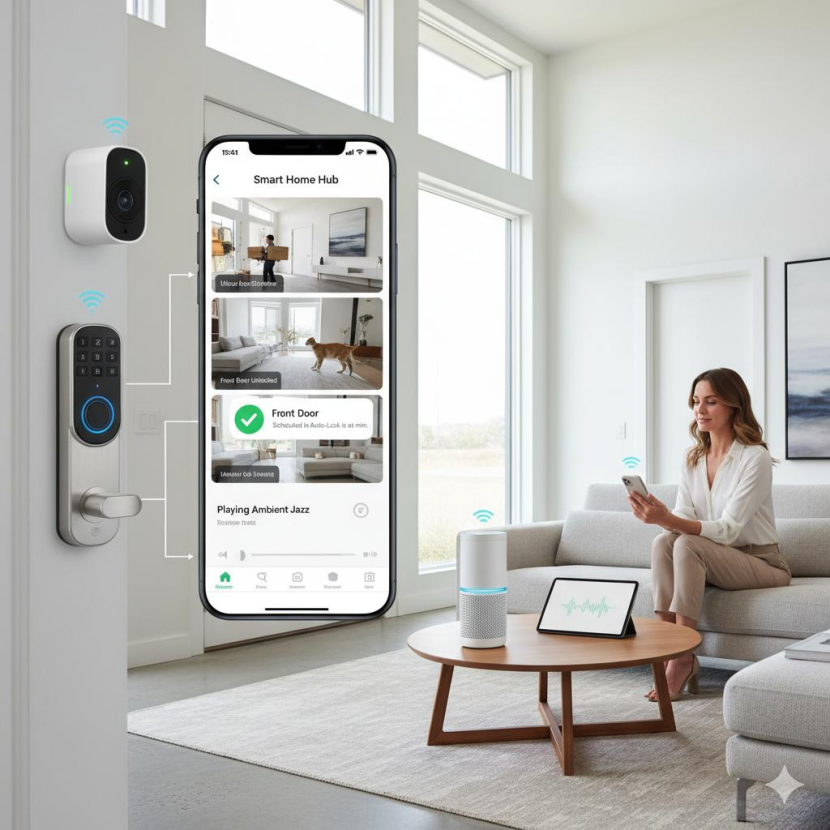
IoT connectivity will also play a central role. Smart locks will communicate seamlessly with smart doorbells, surveillance cameras, lighting systems, voice assistants, and home automation platforms. Homeowners will be able to create automated routines, such as unlocking the front door when authorized family members arrive or activating security systems when everyone leaves.
Cloud computing and edge AI will enable predictive maintenance, remote diagnostics, software updates, and enhanced cybersecurity. Manufacturers investing in secure cloud architecture and encrypted communication protocols will gain a competitive advantage as data privacy becomes increasingly important.
Sustainability, Cybersecurity, and User Experience Will Define Competitive Advantage
Future competition will extend far beyond hardware specifications. Customers will increasingly evaluate smart lock brands based on cybersecurity, reliability, sustainability, and ease of use.
Manufacturers are expected to develop products with lower power consumption, recyclable materials, and longer battery life. Solar-powered accessories and energy-efficient wireless technologies may become more common in both residential and commercial applications.
At the same time, cybersecurity will become a critical purchasing factor. Companies must continuously improve encryption, firmware protection, multi-factor authentication, and vulnerability management to maintain consumer trust.
User experience will also remain essential. Installation, mobile app design, remote management, and integration with major smart home ecosystems will influence purchasing decisions as much as product appearance or price.
Business Opportunities for Smart Lock Manufacturers and Global Suppliers
The next decade presents substantial opportunities for OEM and ODM manufacturers, component suppliers, software developers, and international distributors.
Growing demand for customized solutions will encourage manufacturers to offer flexible product designs, private labeling, and industry-specific access control systems. Hotels, student housing, vacation rentals, healthcare facilities, educational institutions, and logistics companies all require tailored smart lock solutions.
Artificial intelligence, cloud platforms, and subscription-based management software will generate recurring revenue beyond hardware sales. Manufacturers that combine innovative products with reliable after-sales support and regular software updates will strengthen long-term customer relationships.
International partnerships will also expand as smart lock brands seek local distributors capable of providing installation, technical support, and localized marketing.
Challenges Facing the Smart Lock Industry Over the Next 10 Years
Despite strong growth prospects, several challenges remain.
First, cybersecurity threats will continue evolving, requiring ongoing investment in software security and compliance with international regulations.
Second, compatibility between different smart home platforms remains inconsistent. Consumers increasingly expect products to work seamlessly across multiple ecosystems without complex configuration.
Third, supply chain resilience will remain important. Manufacturers must diversify suppliers, improve inventory management, and reduce dependence on single-source components.
Finally, competition will intensify as more companies enter the market. Success will depend not only on product quality but also on branding, innovation, customer service, and global distribution capabilities.
Conclusion
The smart lock industry is expected to experience remarkable growth between 2026 and 2036. Artificial intelligence, IoT connectivity, biometric authentication, cloud management, and smart home integration will redefine how people secure homes and businesses. Companies that prioritize innovation, cybersecurity, sustainability, and customer experience will be best positioned to capture future market opportunities.
For manufacturers, distributors, and investors, the coming decade represents a critical window to expand internationally, develop intelligent security solutions, and build long-term competitive advantages. As smart living becomes the global standard, smart locks will evolve from optional upgrades into essential components of connected lifestyles.