
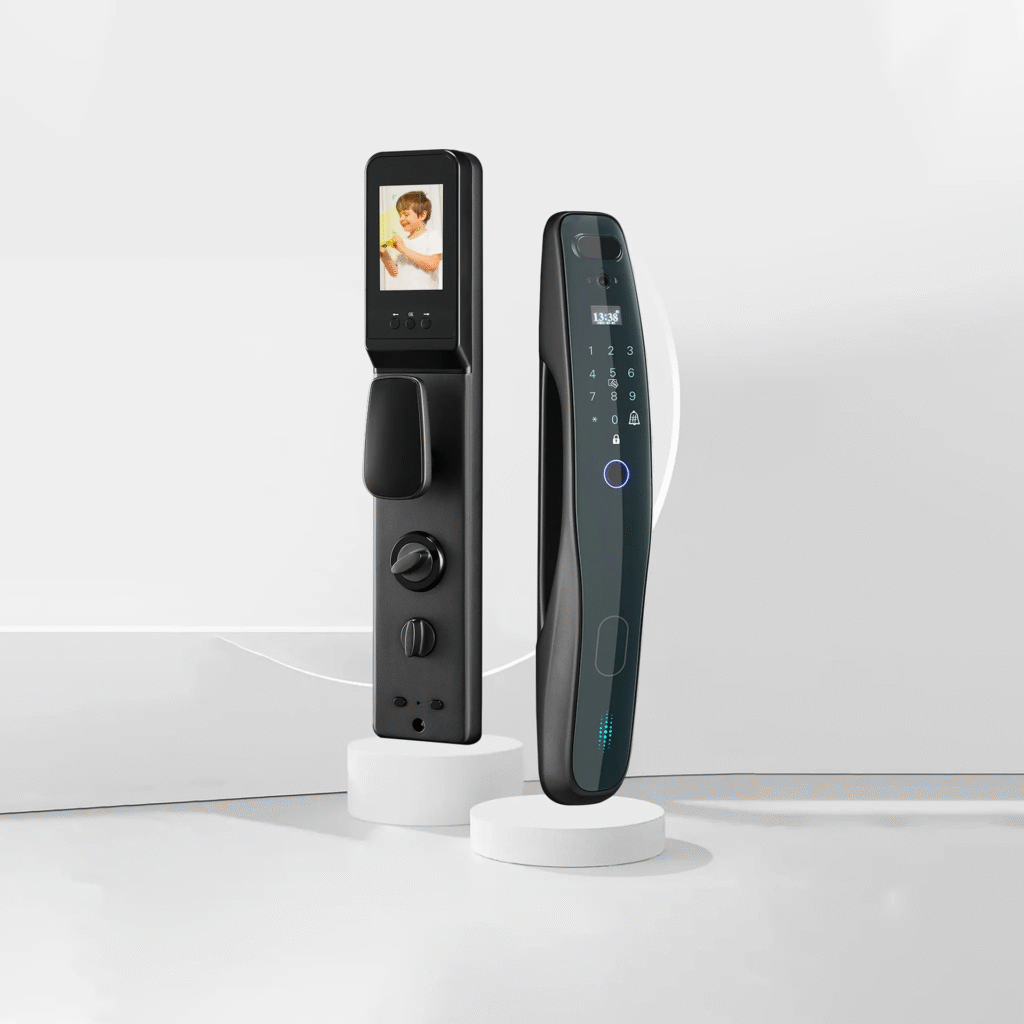
AI-Powered Smart Locks: The Future of Home Security
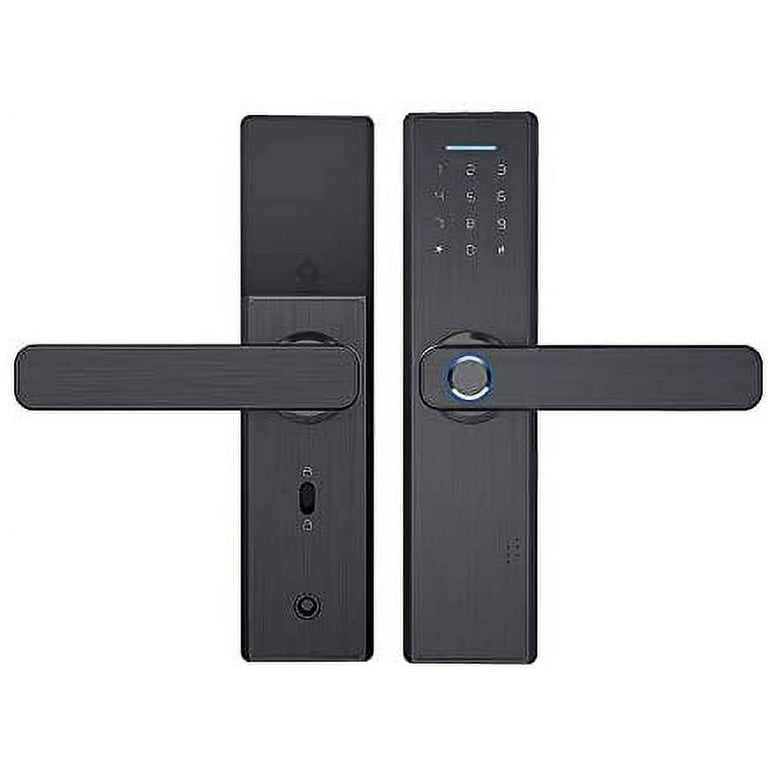
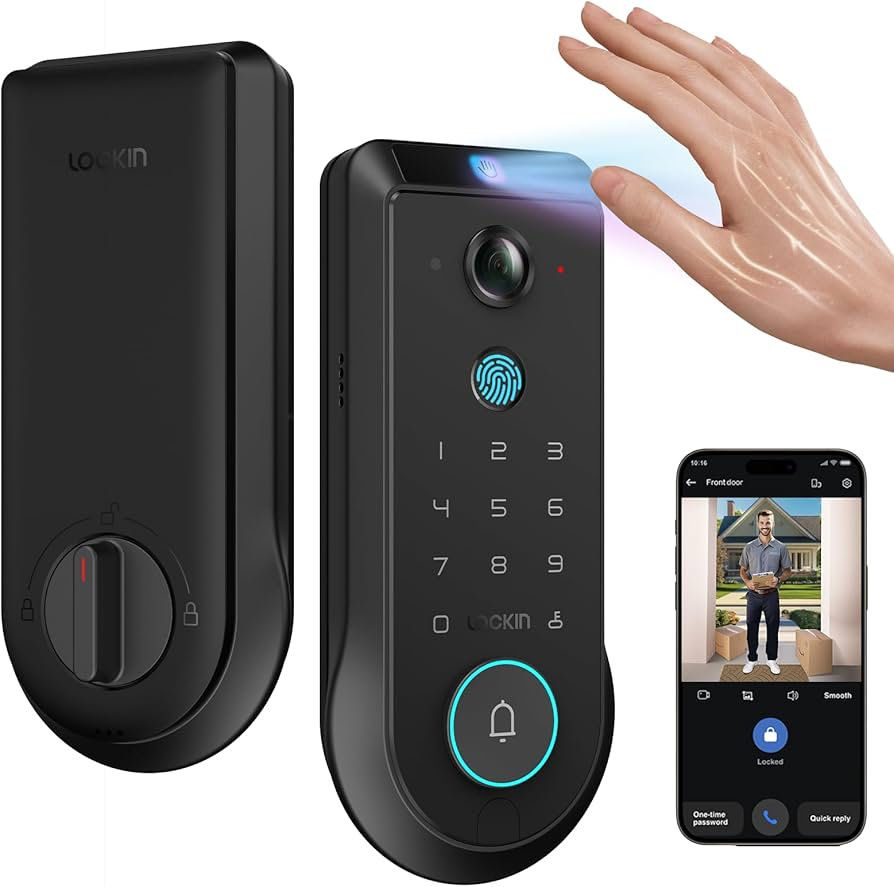
Smart locks are electronic locking systems that allow users to lock and unlock doors using digital methods such as smartphones, biometrics, or wireless communication.
With the integration of AI, these devices have evolved from simple keyless entry systems into intelligent security solutions.
AI enhances smart locks by enabling them to:
- Learn user behavior patterns
- Detect unusual activities
- Improve authentication accuracy
- Provide predictive security alerts
For example, AI-enabled locks can recognize whether access attempts are normal or suspicious based on historical data. This capability significantly reduces the risk of unauthorized entry and enhances overall home security.
Key AI Technologies in Smart Locks
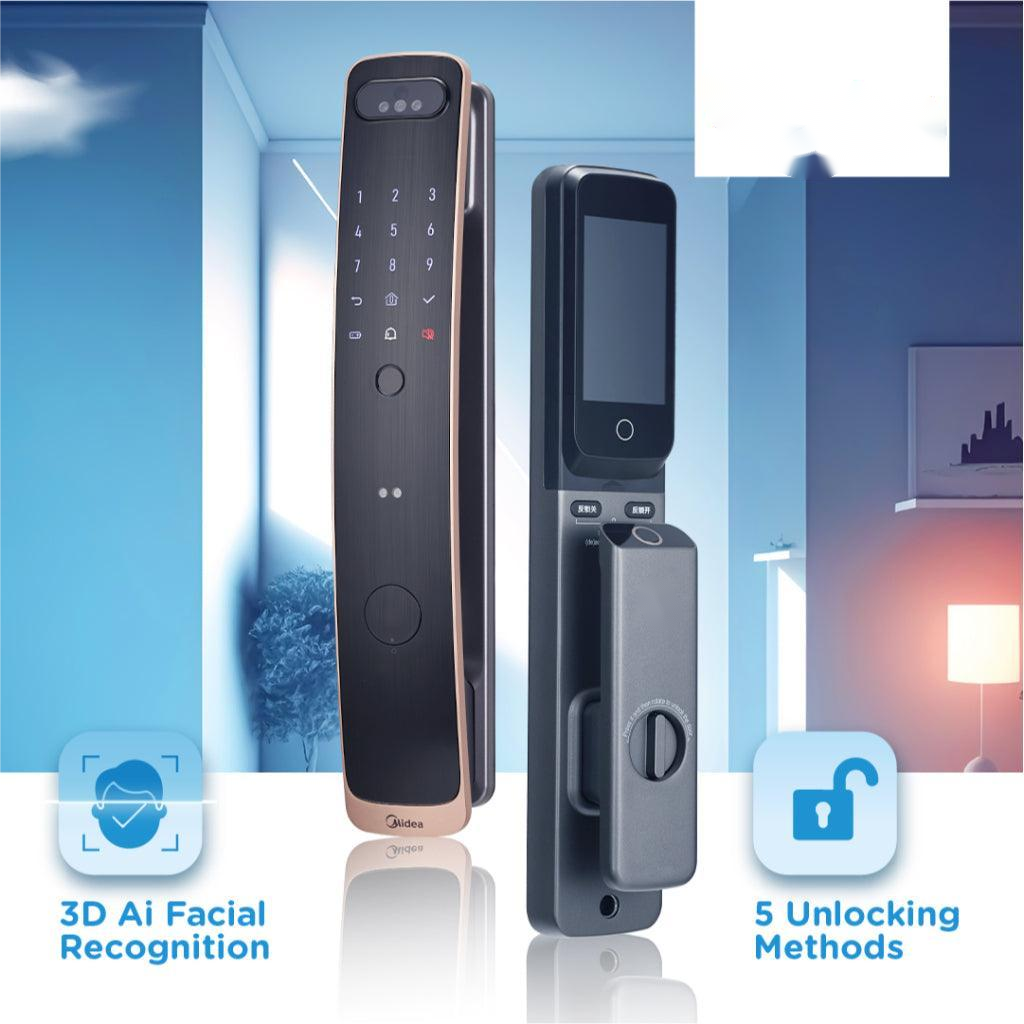
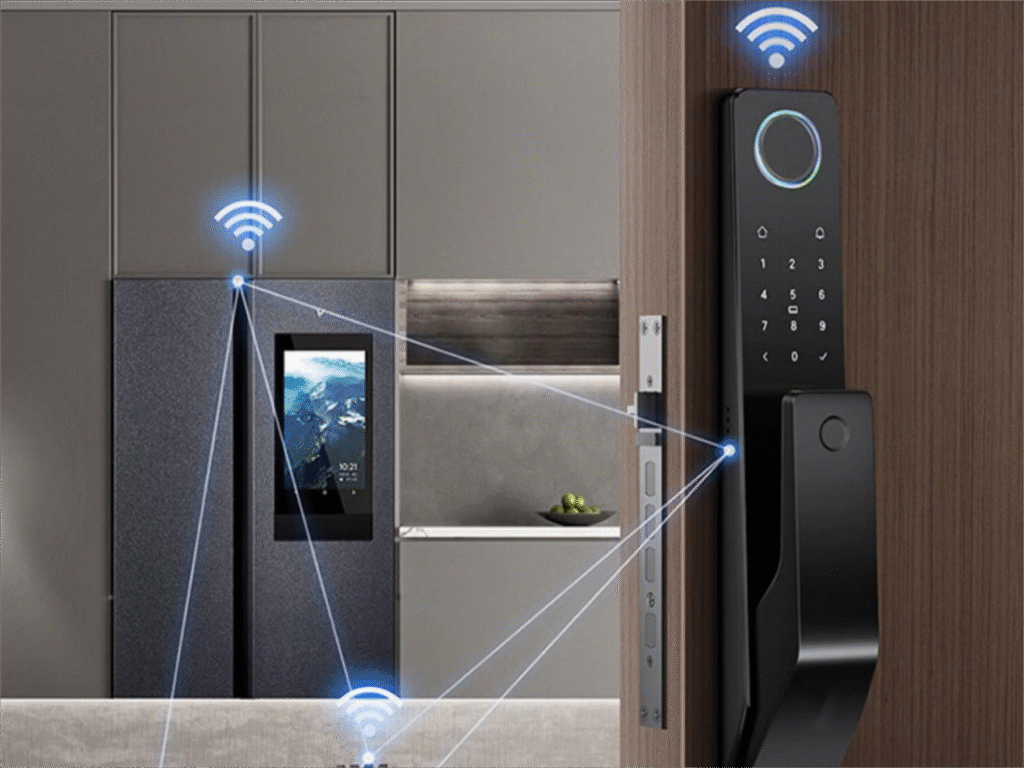
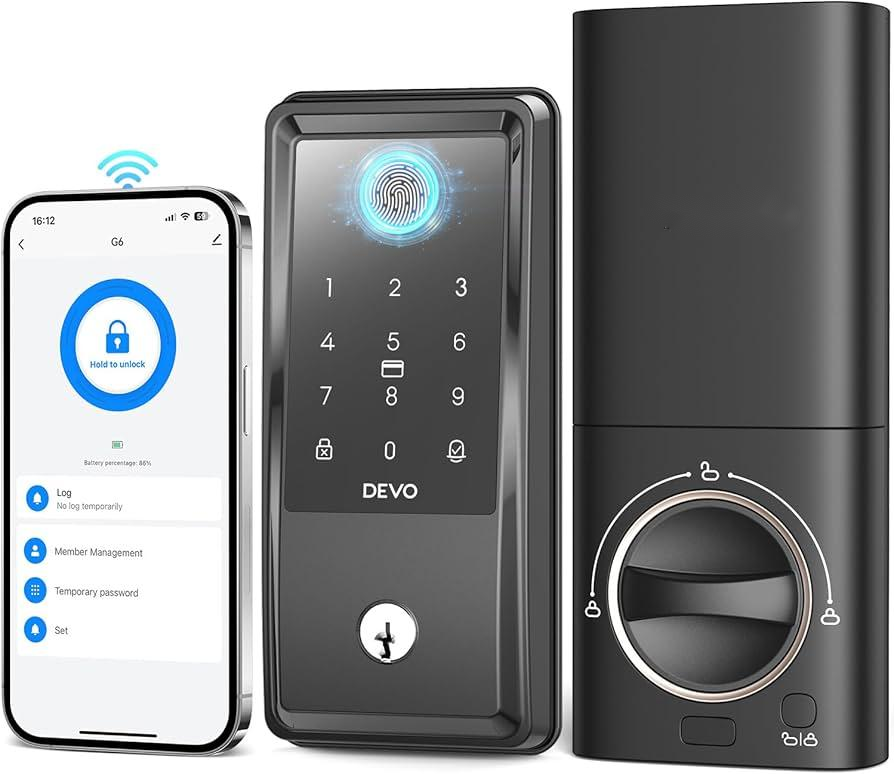
Biometric Recognition (Facial & Fingerprint AI)
AI-driven biometric systems are one of the most prominent features in modern smart locks. These include:
- Facial recognition using 3D imaging
- Fingerprint identification
- Palm vein recognition
Advanced systems use infrared sensors and deep learning algorithms to ensure high accuracy and prevent spoofing attacks (e.g., photos or masks).
Machine Learning Algorithms
Machine learning allows smart locks to continuously improve performance. Over time, the system learns:
- User access schedules
- Frequent visitors
- Behavioral patterns
This enables adaptive authentication, such as automatically unlocking when a trusted user approaches.
Computer Vision & Video Analytics
Many AI smart locks integrate cameras and video doorbells. AI processes visual data to:
- Identify visitors
- Detect motion or anomalies
- Send real-time alerts to users
Edge AI Computing
Modern AI smart locks often process data locally (on-device) rather than relying entirely on cloud servers. This:
- Reduces latency
- Enhances privacy
- Improves response time
Benefits of AI in Smart Locks (SEO Keywords: AI Smart Lock Advantages)
AI integration offers multiple advantages compared to traditional locks:
Enhanced Security
AI algorithms provide multi-layer authentication, making it extremely difficult for intruders to bypass the system. Technologies like palm vein recognition can achieve extremely high accuracy rates.
Convenience & Keyless Access
Users can unlock doors via:
- Smartphone apps
- Voice assistants
- Biometrics
No need to carry physical keys, reducing the risk of loss or theft.
Remote Monitoring & Control
AI-enabled locks allow homeowners to:
- Monitor access in real time
- Grant or revoke permissions remotely
- Receive instant notifications
Personalized User Experience
AI systems can customize access based on individual users, such as:
- Temporary access for guests
- Scheduled entry for service providers
Use Cases of AI Smart Locks (Long-tail Keyword: AI Smart Lock Applications)
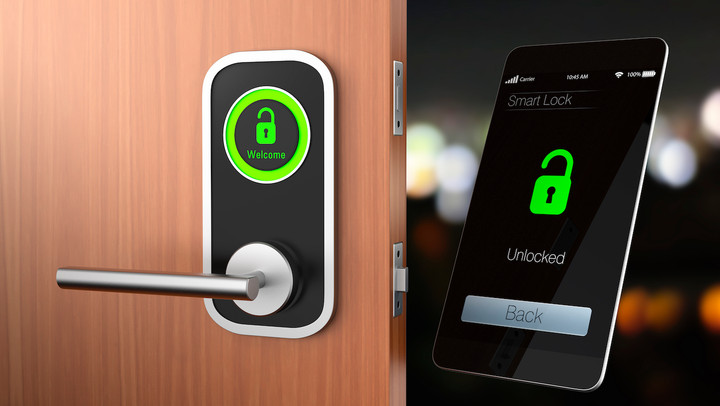
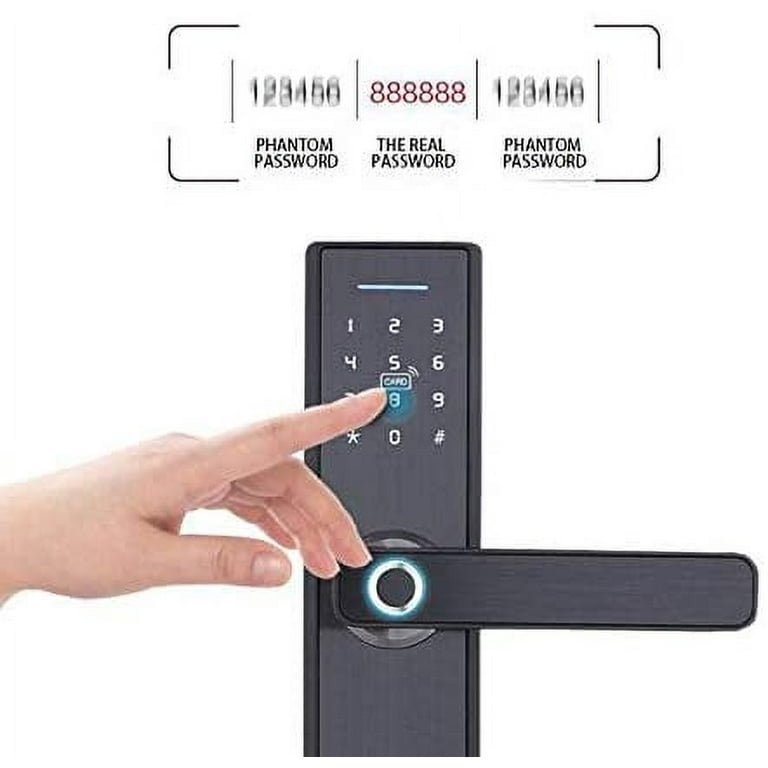
Residential Security
AI smart locks are widely used in homes to provide secure, convenient entry and integration with smart home ecosystems.
Commercial & Office Spaces
Businesses use AI locks to:
- Track employee access
- Manage security centrally
- Reduce reliance on physical keys
Hospitality Industry
Hotels and Airbnb hosts use AI smart locks to:
- Provide digital keys
- Enable self-check-in
- Improve guest experience
Smart Cities & IoT Integration
AI smart locks are part of larger IoT ecosystems, contributing to connected infrastructure and urban security systems.
Challenges and Future Trends in AI Smart Locks
Despite their advantages, AI smart locks face several challenges:
Cybersecurity Risks
As connected devices, smart locks can be vulnerable to hacking if not properly secured. Strong encryption and regular updates are essential.
Privacy Concerns
Biometric data collection raises concerns about data storage and misuse. Local processing (edge AI) helps mitigate these risks.
Cost & Adoption Barriers
Advanced AI features can increase product costs, limiting accessibility for some users.
Future Trends
The future of AI smart locks includes:
- Ultra-wideband (UWB) precise location unlocking
- AI-powered behavior prediction
- Integration with smart home ecosystems
- Solar-powered and energy-efficient designs
The global AI smart lock market is expected to grow rapidly, reaching tens of billions of dollars in the next decade.