
What Determines Smart Lock Manufacturing Cost?
When sourcing smart locks, many buyers focus only on unit price—but the real cost structure is much more complex. A typical smart lock manufacturing cost includes several key components:
Hardware Materials: Aluminum alloy, zinc alloy, stainless steel, and plastic parts
Electronic Components: PCBA board, fingerprint module, motor, sensors
Software System: App integration (Tuya, TTLock, custom systems)
Assembly & Labor: Factory production and testing
Packaging: Boxes, manuals, branding materials
Estimated cost range (factory level):
Basic models: $20–$35
Mid-range smart locks: $35–$70
High-end smart locks: $70–$150+
(Determine based on the quantity)
OEM vs ODM Smart Lock Cost Differences (Which Is Better?)
Understanding OEM and ODM is critical when planning your smart lock business.
OEM (Original Equipment Manufacturer)
You customize branding, logo, packaging
Lower development cost
Faster time to market
Typical extra cost:
Logo printing: $0.2–$0.5/unit
Custom packaging: $0.5–$2/unit
ODM (Original Design Manufacturer)
Fully customized design (hardware + software)
Higher upfront investment
Stronger brand differentiation
Typical additional costs:
Mold fee: $3,000–$10,000
Software customization: $2,000–$20,000+
Recommendation:
Beginners → OEM
Established brands → ODM
Smart Lock Internal Components (Visual Overview)
A smart lock is not just a lock—it’s a combination of mechanical and electronic systems:
Fingerprint Sensor (biometric recognition)
Motor & Gearbox (drives lock mechanism)
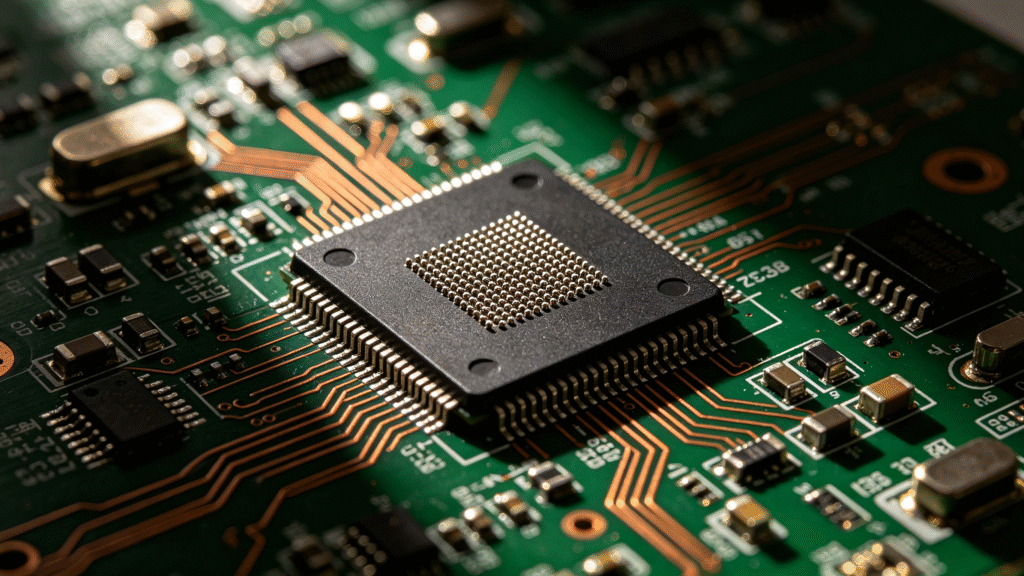
PCB Board (controls logic and connectivity)
Communication Module (Bluetooth / WiFi / Zigbee)
Power System (battery pack)
The quality of these components directly affects:
Cost
Durability
User experience
Certification and Compliance Costs (CE, FCC, RoHS)
If you plan to sell in global markets, certification is mandatory.
Common certifications:
CE (Europe)
FCC (USA)
RoHS (Environmental compliance)
Estimated costs:
CE: $500–$2,000
FCC: $1,000–$3,000
Full compliance package: $3,000–$8,000
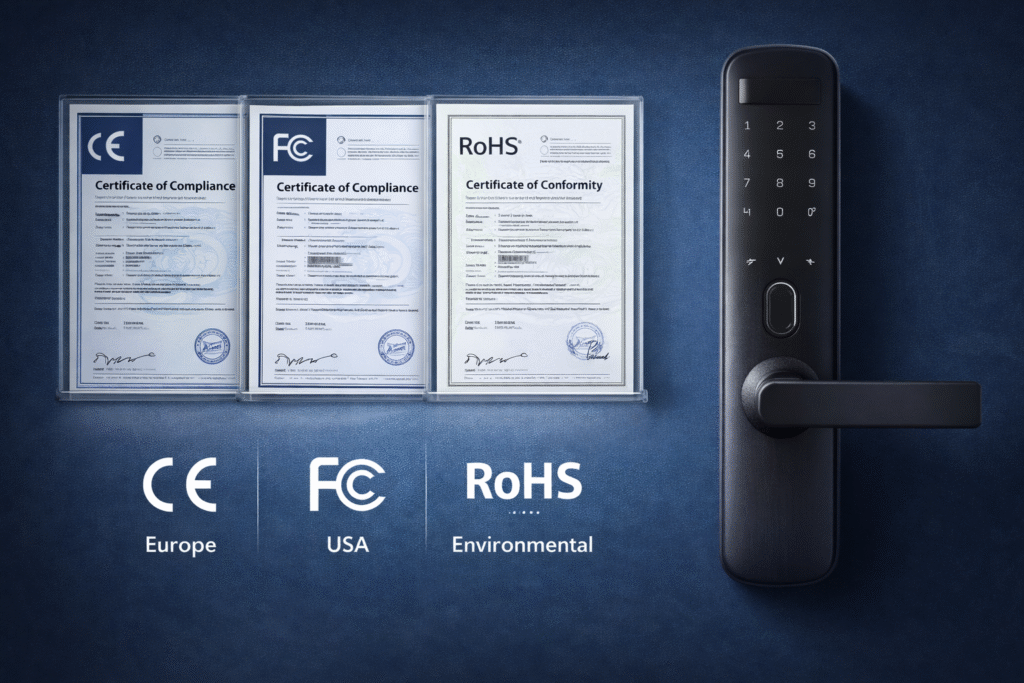
Many factories already have certified models—choosing them can save thousands in testing costs.
Hidden Costs in Smart Lock Manufacturing (Most Buyers Miss This)
Beyond factory price, there are several hidden costs:
1. Software Ecosystem Fees
Tuya / TTLock platform fees
Cloud server costs
2. After-Sales Support
Replacement parts
Technical support
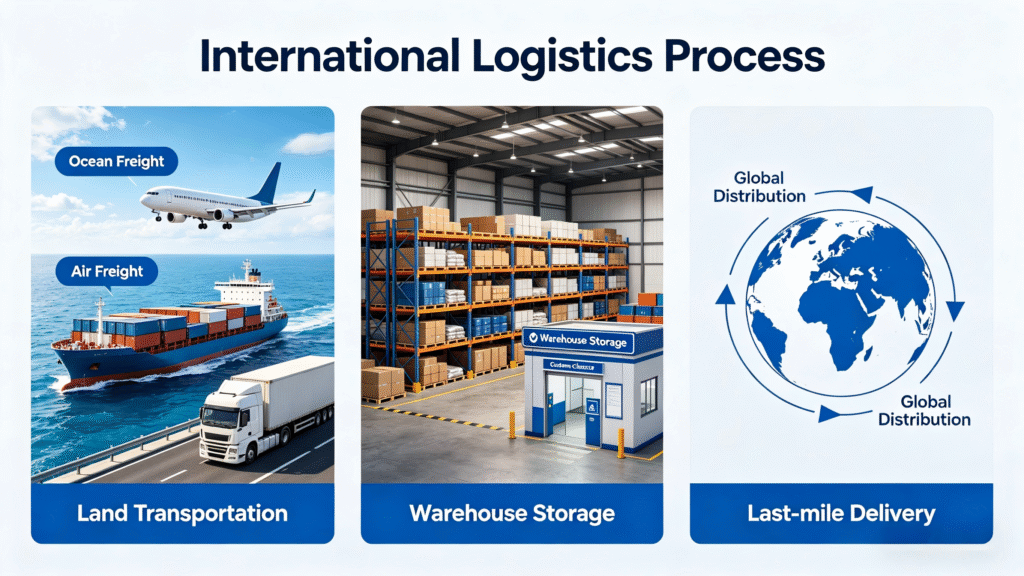
3. Logistics & Shipping
Sea freight vs air freight
Import duties
4. Installation Compatibility
Different door standards (EU / US / Asia)
These factors can increase total cost by 20%–40%
How to Reduce Smart Lock Manufacturing Cost
If you want to maximize profit, here are proven strategies:
Choose Standard Models
Avoid unnecessary customization in early stages.
Increase Order Quantity
100 pcs → high cost
1,000 pcs → significantly lower unit price
Use Existing Platforms
Tuya or TTLock instead of custom development
Optimize Packaging
Reduce box size to save shipping cost
Work Directly with Factory
Avoid trading companies when possible.
Conclusion
Smart lock manufacturing cost is influenced by hardware, software, certification, and supply chain factors. Whether you choose OEM or ODM depends on your business stage and branding goals. For most importers, starting with OEM smart locks is the most cost-effective strategy, while scaling brands can benefit from ODM customization.
By understanding the full cost structure and avoiding hidden expenses, you can significantly improve your margins and build a competitive smart lock business in today’s fast-growing market.