
Meta Description
The Brazil hotel lock market is experiencing rapid growth as the hospitality industry embraces digital transformation. Discover the latest trends, hotel lock requirements, RFID technology, smart hotel solutions, and business opportunities for manufacturers and suppliers entering the Brazilian market.
1. Brazil Hotel Lock Market Overview
Brazil is the largest economy in South America and one of the region’s most important tourism destinations. As international tourism and domestic business travel continue to recover, hotels across the country are investing in renovation and modernization projects.
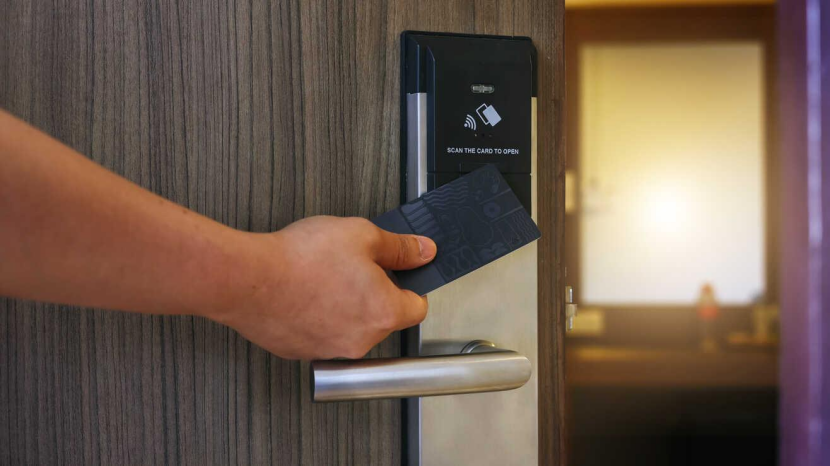
The hospitality industry is increasingly adopting smart hotel lock systems to improve guest experience, enhance security, and reduce operational costs. Hotels, resorts, serviced apartments, boutique hotels, and vacation rentals are replacing traditional mechanical locks with digital access solutions.
Today, the most common hotel lock solutions in Brazil include:
- RFID Hotel Locks
- MIFARE Card Hotel Locks
- Bluetooth Hotel Locks
- Mobile App Hotel Locks
- PMS Integrated Hotel Lock Systems
- Smart Locks for Airbnb and Vacation Rentals
As guest expectations evolve, hotel locks are no longer just security devices—they have become an essential part of hotel management and customer satisfaction.

2. Key Demand Trends in the Brazil Hotel Lock Market
RFID Hotel Locks Continue to Dominate the Market
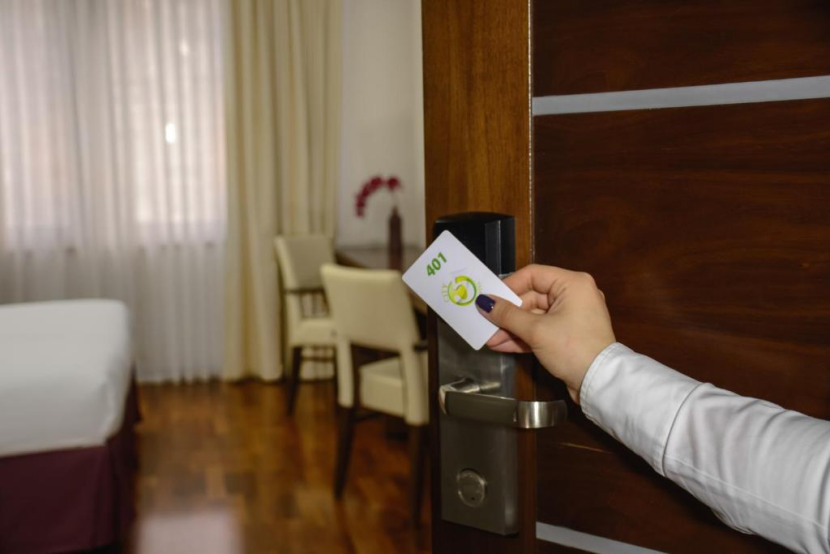
Despite the rapid growth of smart technologies, RFID hotel locks remain the most widely adopted solution in Brazil.
The reasons are straightforward:
- Affordable investment cost
- Reliable and mature technology
- Easy staff training
- Low maintenance expenses
- High compatibility with existing hotel management systems
Among RFID technologies, MIFARE encrypted cards are especially popular due to their enhanced security and stable performance.
Growing Adoption of Bluetooth Hotel Locks
More boutique hotels and premium hospitality brands are introducing Bluetooth hotel locks and mobile access solutions.
These systems typically offer:
- Smartphone unlocking
- Mobile room keys
- Remote authorization
- Self check-in functionality
- Contactless guest experience
This trend reduces front desk workload while improving operational efficiency and guest satisfaction.
As digital hospitality continues to develop, Bluetooth-enabled hotel locks are expected to gain significant market share.
Rising Demand from Vacation Rentals and Airbnb
Brazil has experienced strong growth in short-term rental properties through platforms such as Airbnb and local vacation rental services.
Unlike traditional hotels, property owners prioritize:
- Remote access control
- Temporary PIN codes
- One-time passwords
- Mobile application management
- Unattended property operation
For this segment, smart locks compatible with platforms like TTLock or Tuya have become increasingly attractive.
3. What Brazilian Hotel Buyers Look for When Purchasing Hotel Locks
Reliable System Performance
Brazilian hotel operators value stability above all else.
Their biggest concerns include:
- Door access failures
- Software crashes
- Card reading errors
- Lost guest credentials
- System downtime
A reliable hotel lock system significantly reduces operational risks and improves customer satisfaction.
Strong After-Sales Support
Hotels operate 24 hours a day, making technical support a critical purchasing factor.
Buyers often evaluate suppliers based on:
- Remote technical assistance
- Spare parts availability
- Software updates
- Installation guidance
- Multilingual user manuals
- Online training services
Suppliers with comprehensive after-sales support are more likely to establish long-term partnerships.
Compatibility with Hotel Management Systems
Modern hotels increasingly expect door lock systems to integrate with:
- Property Management Systems (PMS)
- Check-in and Check-out Software
- Elevator Access Control
- Energy Saving Switches
- Centralized Hotel Management Platforms
System compatibility has become a major competitive advantage for hotel lock manufacturers.
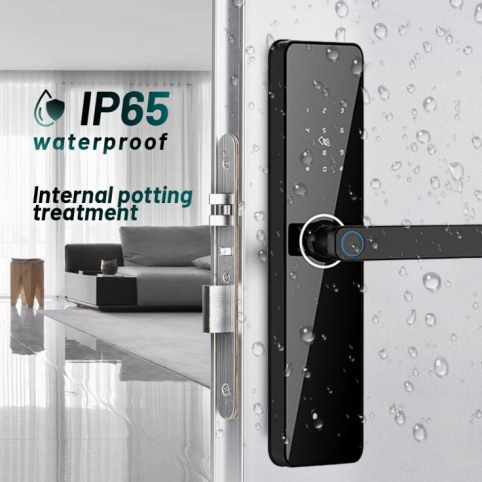
Modern Design and Premium Appearance
Brazilian customers appreciate products with contemporary aesthetics.
Popular design preferences include:
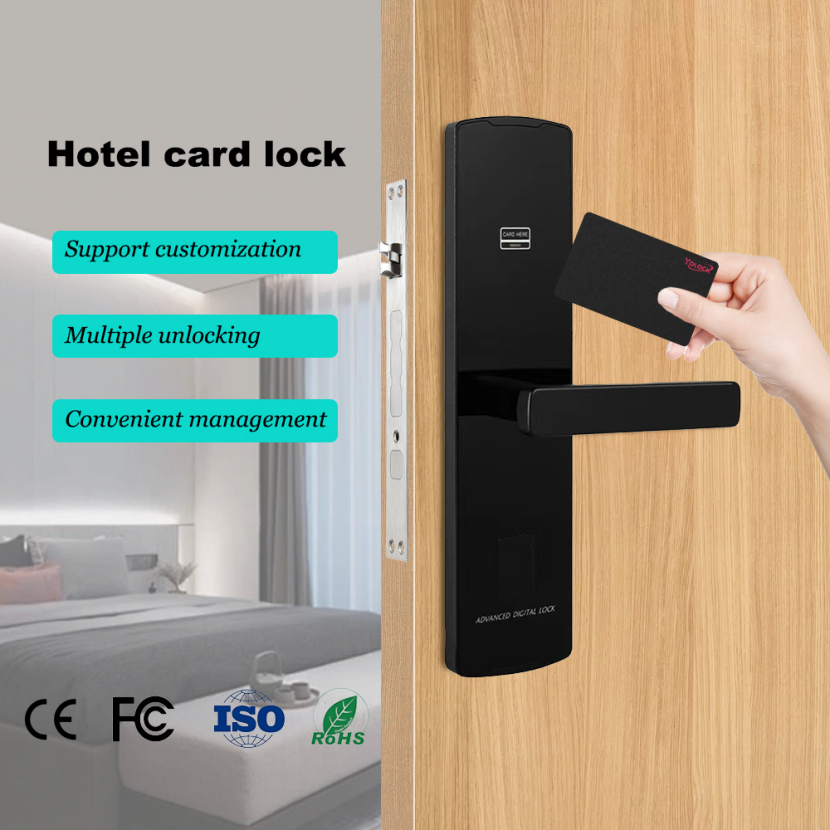
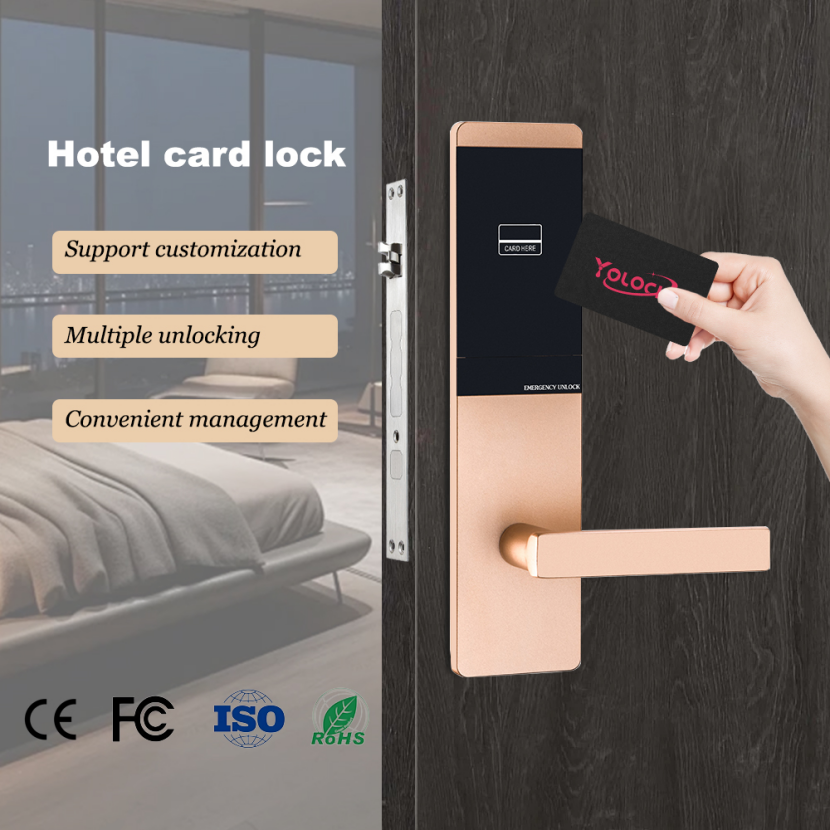
- Matte Black Finish
- Satin Silver
- Brushed Metal
- Minimalist Design
- Aluminum Alloy Construction
- Tempered Glass Panels
An attractive appearance enhances the hotel’s overall image while maintaining durability.
4. Opportunities for Chinese Hotel Lock Suppliers in Brazil
China has become one of the world’s leading suppliers of hotel lock solutions, and Brazilian importers increasingly source products from Chinese manufacturers and trading companies.
Chinese suppliers offer several competitive advantages:
- Competitive pricing
- Strong OEM and ODM capabilities
- Fast product development
- Complete hotel access control solutions
- Flexible customization
- Professional technical support
For trading companies, integrating reliable manufacturing resources with localized customer service creates significant opportunities in the Brazilian market.
Potential customer groups include:
- Hotel distributors
- Hospitality solution integrators
- Property developers
- Hotel construction contractors
- Smart home distributors
- Commercial security companies
- Vacation rental operators
These customer segments typically purchase in bulk and have recurring demand.
5. Future Trends in the Brazil Hotel Lock Market
Several trends are expected to shape the Brazilian hospitality security industry over the next five years.
Smarter Guest Access
Mobile keys, facial recognition, digital credentials, and self-service check-in will become increasingly common.
Integrated Smart Hotel Ecosystems
Hotel locks will be connected with PMS software, access control systems, elevator management, and energy-saving solutions to improve operational efficiency.
Higher Security Standards
Hotels will continue investing in encrypted RFID cards, secure communication protocols, audit trails, and advanced access management features.
Continued Growth of the Short-Term Rental Market
As Airbnb and vacation rental businesses expand, demand for cloud-based smart locks with remote management capabilities will continue to rise.
Conclusion
The Brazil hotel lock market presents strong growth opportunities driven by tourism recovery, hotel modernization, and increasing adoption of smart technologies. While RFID hotel locks remain the dominant solution, demand for Bluetooth-enabled, mobile-access, and PMS-integrated hotel lock systems is growing rapidly.
For manufacturers, OEM suppliers, and international trading companies, success in Brazil depends on delivering reliable products, stable software, responsive technical support, and flexible customization services. Companies that combine product quality with localized customer support will be well positioned to build long-term partnerships and expand their presence in one of Latin America’s most promising hospitality markets.