
Why Smart Locks Are Essential for Rental Properties
As the rental market continues to grow, traditional mechanical locks are becoming increasingly outdated. Issues such as lost keys, frequent lock replacements, and inefficient management create unnecessary costs and risks for landlords.
Smart locks effectively solve these problems by offering keyless entry and flexible access control. Property owners can easily manage tenant access through passcodes or digital authorization without changing physical hardware. In addition, smart locks enhance the overall value of a property, making it more attractive in a competitive rental market.
For apartments, Airbnb rentals, and property management businesses, smart locks are quickly becoming a standard feature.
Fingerprint Locks: Features and Best Use Cases
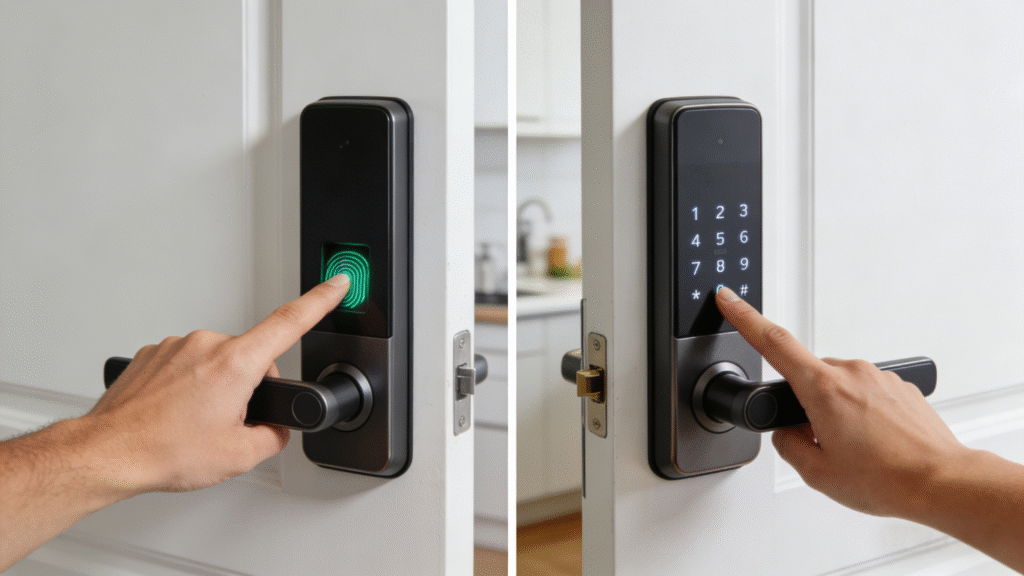
Fingerprint locks rely on biometric authentication, offering a high level of security and convenience. Users can unlock doors instantly without remembering passwords or carrying keys, creating a seamless experience.
However, in rental scenarios, fingerprint locks have certain limitations. Each time a tenant changes, fingerprints must be re-registered, which can be time-consuming. In high-turnover environments, this increases management effort. Additionally, fingerprint recognition may be affected by conditions such as dry or worn skin.
Overall, fingerprint locks are best suited for long-term rentals with stable tenants or high-end apartment settings.
Keypad Locks: Features and Rental Advantages
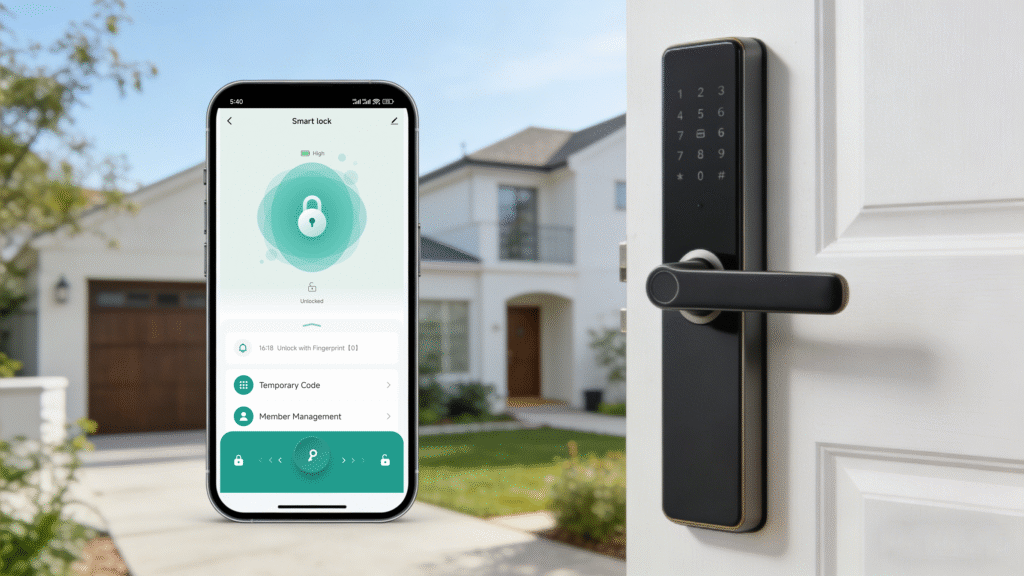
Keypad locks allow users to unlock doors using numeric codes, offering excellent flexibility and ease of management. Landlords can update or generate temporary passcodes at any time, making them ideal for dynamic rental environments.
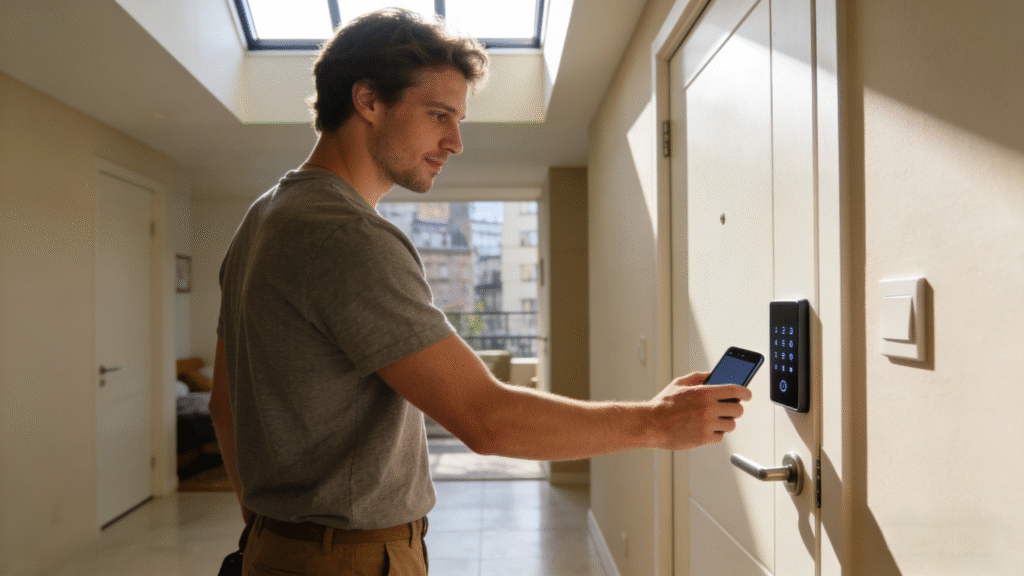
In short-term rentals and Airbnb properties, keypad locks are particularly effective. There is no need for in-person key handovers—access can be granted remotely, significantly improving operational efficiency. Additionally, keypad locks are generally more cost-effective, making them suitable for large-scale deployment.
While there is a risk of password sharing, features like one-time codes and scheduled access can minimize security concerns.
Fingerprint Lock vs Keypad Lock: Key Differences
Fingerprint and keypad locks serve different priorities in rental applications. Fingerprint locks focus on identity-based security and user experience, while keypad locks emphasize flexible access management.
From a security perspective, fingerprint locks offer higher uniqueness through biometric data. Keypad locks rely on password strength and management practices. In terms of operational efficiency, keypad locks clearly outperform fingerprint locks, especially when remote management is required.
Therefore, the choice should be based on the rental model rather than personal preference.
Best Smart Lock Solution for Rental Properties
Different rental types require different smart lock strategies. For long-term rentals, fingerprint locks can improve convenience and user satisfaction. For short-term rentals or Airbnb properties, keypad locks provide better flexibility and remote control.
In practice, multi-functional smart locks that support both fingerprint and keypad access offer the best solution. They allow property owners to adapt to different scenarios without changing hardware.
Additionally, it is recommended to choose smart locks with features such as mobile app control, access logs, and dynamic passcodes to further enhance management efficiency and security.
Conclusion
Both fingerprint locks and keypad locks have their own advantages in rental property applications. Fingerprint locks excel in security and user experience, making them suitable for long-term tenants. Keypad locks, on the other hand, provide superior flexibility and are ideal for short-term rentals and high-turnover properties.
Overall, smart locks with multiple access methods and remote management capabilities represent the most practical solution for modern rental businesses. Choosing the right smart lock not only simplifies operations but also increases property value and competitiveness.