
In 2026, the smart lock sector is no longer just about keyless entry. It has become a battleground for cutting-edge technologies like artificial intelligence (AI) and the universal Matter protocol. As consumers seek smarter, safer, and more connected homes, leading brands are pivoting from isolated devices to fully integrated security hubs. This shift promises to solve long-standing industry pain points, including compatibility issues, battery inefficiency, and vulnerability to cyber threats, while introducing proactive access management features that redefine residential security.
AI-Powered Behavioral Analysis Transforms Access Control
Gone are the days when smart locks only responded to direct commands. Today’s intelligent locks leverage edge-based AI to learn household routines. For example, systems can now distinguish between a homeowner, a pet sitter, or an intruder by analyzing walking gait patterns, typical entry times, and even the force applied to the handle. According to a recent industry white paper from Smart Home Security Insights, AI-driven anomaly detection reduces false alarms by over 40% compared to traditional motion-based triggers. This technology allows the lock to automatically alert users via their smartphone if an unexpected attempt occurs outside a learned schedule, such as a child returning home early from school. Furthermore, these algorithms operate locally on the device, addressing privacy concerns by ensuring that sensitive biometric data never leaves the lock’s encrypted chip.
Matter Protocol Adoption Ends Fragmented Ecosystem Woes
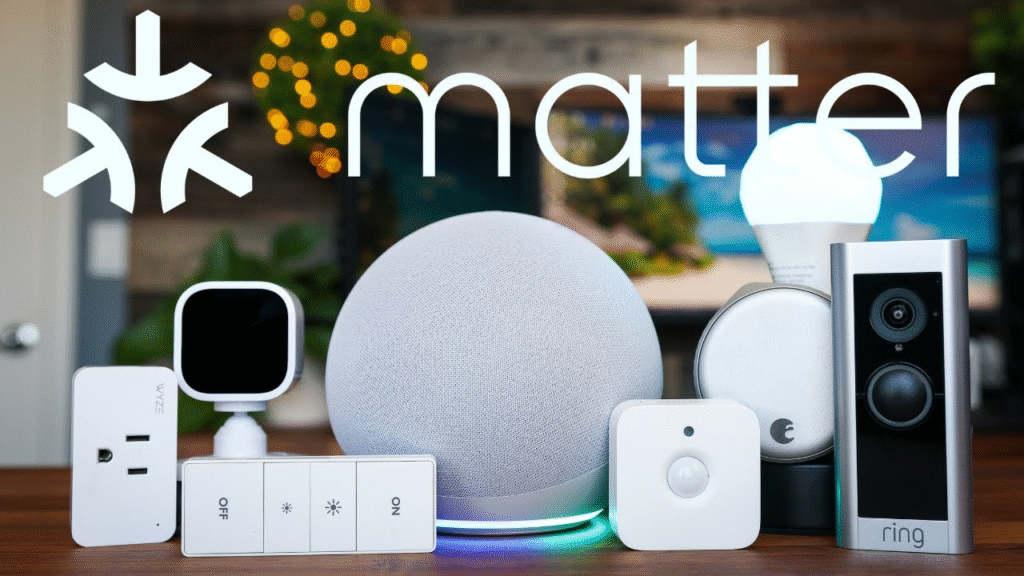
Interoperability has long been the Achilles’ heel of smart home devices. However, the widespread adoption of the Matter standard (version 1.3 and above) is unifying the industry. Major smart lock manufacturers, including global leaders from Asia and Europe, have begun shipping Matter-certified locks that work seamlessly with Apple HomeKit, Amazon Alexa, Google Home, and Samsung SmartThings simultaneously. A homeowner can now set an automation where locking the front door at 10 PM automatically dims the lights, lowers the thermostat, and arms the security cameras, regardless of brand. This open standard also simplifies setup: users no longer juggle multiple apps or proprietary bridges. The Connectivity Standards Alliance reports that Matter-certified smart locks saw a 78% increase in consumer preference in Q1 2026, signaling a clear market demand for hassle-free integration.
Enhanced Cybersecurity Measures Against Digital Break-ins
As smart locks become more connected, they also become potential targets for cybercriminals. Recognizing this, the industry is implementing robust, multi-layered security architectures. Modern smart locks now feature end-to-end encryption for all communication, rotating digital keys after every use, and mandatory two-factor authentication for remote access. Moreover, leading brands have introduced hardware-level secure elements (similar to those in payment cards) that resist physical tampering and side-channel attacks. In response to recent reports of Bluetooth replay attacks, many 2026 models include time-of-flight sensors to ensure the authorized smartphone is physically present at the door. These measures not only protect against remote hacking but also build consumer trust, which remains the single most important factor for mass adoption.
Battery Innovation and Energy Harvesting Extend Device Lifespan
A dead battery locking out a homeowner remains a top usability complaint. The smart lock industry is solving this through dual power systems and emerging energy-harvesting technologies. New models are equipped with high-capacity lithium batteries that last up to 18 months on a single charge, coupled with a physical backup key or a 9V battery jumper for emergencies. More excitingly, experimental locks showcased at CES 2026 use kinetic energy from the turning of the thumb turn or small solar panels integrated into the lock’s exterior face to trickle-charge internal cells. While still niche, these innovations promise a future where battery replacement becomes a biannual afterthought rather than a monthly annoyance. Additionally, low-power Bluetooth 6.0 and Thread radios, often used alongside Matter, consume a fraction of the energy of older Wi-Fi-only models, further extending operational life.
Conclusion
The smart lock industry is undergoing a fundamental evolution, shifting from basic remote-controlled latches to intelligent, interoperable, and resilient security gateways. Through the integration of AI-driven behavioral analysis, the universal Matter protocol, advanced cybersecurity hardware, and innovative battery solutions, smart locks are finally delivering on the promise of a truly connected home. For consumers, this means greater peace of mind and seamless automation. For manufacturers, the challenge remains to balance cutting-edge features with affordability and privacy. As we move further into 2026, one thing is clear: the humble front door lock is becoming one of the most sophisticated devices in your smart home ecosystem. Investing in these new-generation smart locks is no longer a luxury—it is a practical upgrade for security, convenience, and future-proofing.